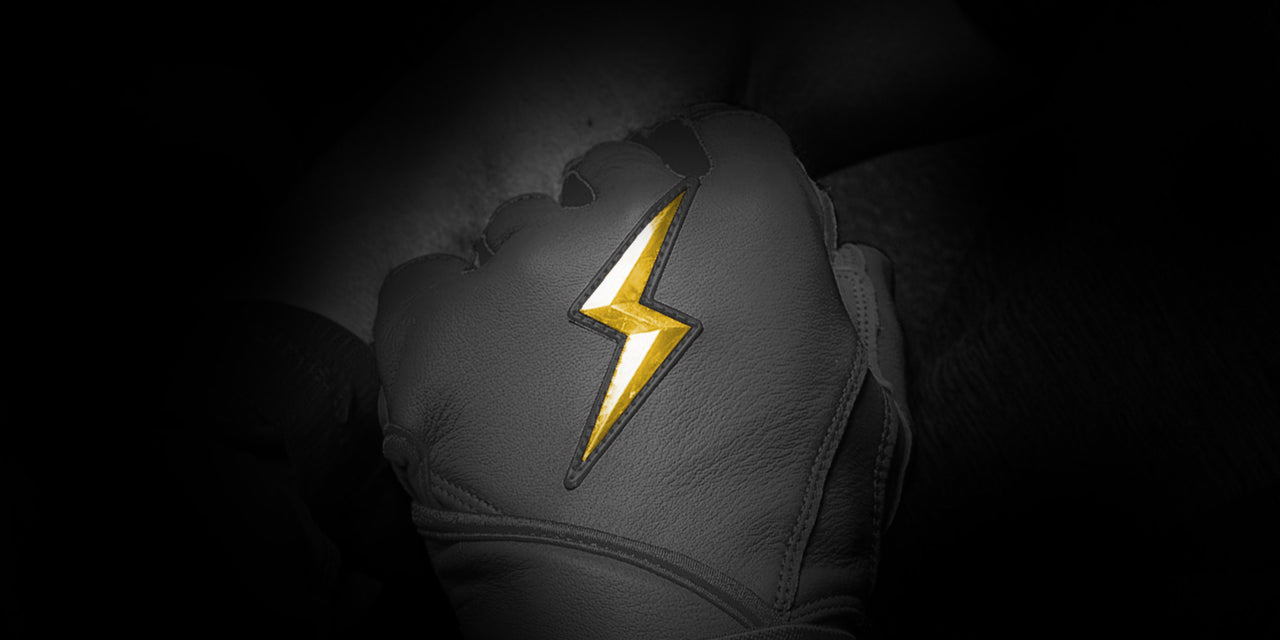


The Short Answer: The best golf gloves combine quality materials, a perfect fit, and reliable grip performance. Look for premium Cabretta leather for maximum feel, or synthetic options for durability and weather resistance. Fit matters most, and your glove should feel like a second skin with zero bunching or excess material.
What Makes the Best Golf Gloves Stand Out?

The best golf gloves share a few key traits: quality materials, a perfect fit, and reliable grip performance. These three factors work together to give you control over your golf club and consistency in your golf game. Here's what separates a good glove from a great one.
Material Quality
Premium Cabretta leather remains the gold standard for serious golfers. This sheepskin leather delivers a soft, natural feel that molds to your hand over time. It breathes well and wicks moisture away from your skin, keeping your grip dry through a full round on the golf course.
Construction Details
Construction matters just as much as material. Look for:
-
Reinforced stress points at the palm and thumb area
-
Seamless construction or strategically placed seams
-
Seams that sit away from high-contact zones
This prevents irritation and hot spots during long practice sessions at the driving range.
Stitching Quality
The stitching should be tight and even. Loose threads or uneven seams signal a glove that won't hold up over time. For more on what to expect from your glove's lifespan, check out our guide on how long golf gloves last.
Fit and Comfort
A golf glove should fit like a second skin. That means snug across the palm, secure around the fingers, and smooth across the back of your hand. There should be no extra material bunching up anywhere.
Pre-Curved Fingers
Pre-curved fingers follow the natural position of your hand at rest. This design reduces fatigue and keeps the glove from fighting against your grip. When you wrap your hand around a golf club, the glove should move with you, not against you.
Closure Systems
The closure system matters for getting the right fit. Most gloves use a hook-and-loop (Velcro) tab at the wrist. This should secure firmly without pinching or leaving gaps. Some golfers prefer snap closures or pull-on designs based on personal preference.
Finding Your Size
Sizing varies between brands, so always check the specific sizing chart. A right-handed golfer wears the glove on the left hand. A left-handed golfer wears it on the right hand. When in doubt, measure your hand and compare to the brand's guide to find the correct size.
Why Grip Matters
Grip is the whole point of wearing a golf glove. A quality glove creates a secure grip between your hand and the club, reducing slippage and giving you control through your swing. As Golf Digest explains, the right amount of grip pressure is essential for a smooth, powerful swing, and a well-fitted glove helps you maintain that pressure without excess tension in your forearms.
Palm Material
The palm material determines grip quality. Cabretta leather offers a natural tackiness that improves with slight moisture from your hand. Synthetic materials often feature textured patterns or grip-enhancing treatments to compensate for their smoother surface.
Grip in Different Conditions
Grip should hold up across different weather conditions. In dry weather, most gloves perform well. The real test comes in humid or wet conditions. A glove that gets slick when damp will cost you strokes and confidence.
When to Replace
Over time and multiple rounds, grip fades. Signs it's time for a new glove:
-
Palm wearing thin
-
Tackiness decreasing
-
Glove stretching out
-
Reduced control during your swing
Knowing when to replace your glove is part of maintaining a consistent golf game.
How Do Different Golf Glove Materials Compare?
Choosing between leather, synthetic, and hybrid gloves comes down to how you play, where you play, and what you value most. Each material has strengths and trade-offs.
Cabretta Leather Gloves
Cabretta leather gloves are the choice of most PGA Tour players and serious golfers. Made from premium sheepskin, these gloves offer a superior grip and a natural feel that synthetic materials can't match. The BRUCE BOLT Original Series uses high-quality Cabretta leather for exactly this reason.
Leather Fit and Feel
The leather breathes well and conforms to your hand shape over time, creating a custom fit. In dry to moderate weather conditions, nothing performs better. The tactile feedback helps you sense the club throughout your swing.
Leather Drawbacks
The downsides: leather costs more and requires more care. Cabretta leather breaks down faster when exposed to water or excessive sweat. If you play often in wet weather or sweat heavily, you'll go through leather gloves faster.
Caring for Leather
To extend the life of a leather glove, let it air dry flat after each round and avoid storing it crumpled in your bag.
Synthetic Golf Gloves
Synthetic gloves offer durability and weather resistance at a lower price point. Made from engineered materials, they hold up better in adverse conditions and require less maintenance.
Synthetic in Wet Conditions
For golfers who play in wet conditions regularly, synthetic materials often grip better when damp. They're also easier to clean, just hand wash with mild soap and air dry.
Synthetic Trade-Offs
The trade-off is feel. Synthetic gloves don't deliver the same tactile feedback as premium leather. Some golfers find them less responsive, which can affect confidence in the short game where touch matters most.
Improving Synthetic Technology
That said, synthetic technology keeps improving. Modern synthetic gloves come much closer to the feel of leather than they did a decade ago.
Hybrid Golf Gloves
Hybrid gloves combine a Cabretta leather palm with synthetic material on the back and fingers. This design aims to give you the best of both worlds: the grip and feel of leather where it counts, with the durability and breathability of synthetics elsewhere.
Hybrid Benefits
The leather palm maintains your connection to the golf club. The synthetic back often features mesh panels or perforations for ventilation, making these gloves a solid choice for hot, humid conditions.
Hybrid Value
Hybrid gloves typically fall between pure leather and pure synthetic in both price and durability. They're a versatile option for golfers who play in varying weather conditions and want one glove that handles most situations.
What Should You Consider for Different Weather Conditions?
Weather changes how your glove performs. What works on a cool, dry morning won't necessarily work in August humidity or a sudden rain shower. Smart golfers match their gloves to the conditions, especially during peak golf season.
Summer and Hot Weather Gloves
Heat and humidity challenge your grip. Sweat builds up, gloves get damp, and slippage becomes a real concern.
Hot Weather Features
For summer golf, look for lightweight gloves with maximum breathability:
-
Mesh panels on the back
-
Perforations across the fingers
-
Moisture-wicking technology that pulls sweat away
Best Materials for Heat
Synthetic materials or hybrids often outperform pure leather in extreme heat. They handle moisture better and dry faster between shots.
Rotating Gloves
Consider keeping a second glove in your bag during hot rounds. Rotating between two gloves lets each one dry out, maintaining better grip throughout 18 holes.
Winter and Cold Weather Gloves
Cold weather brings its own challenges. Stiff, cold hands lose feel and control. Rain turns a Cabretta leather glove into a slick liability.
Cold Weather Features
Winter golf gloves prioritize warmth and weather resistance. Thermal insulation keeps your hands functional. Many cold-weather options come as a pair, covering both hands for maximum warmth.
Rain Gloves
Rain golf gloves are a specific category worth knowing. These synthetic gloves actually grip better when wet, the opposite of standard leather. If you play through wet weather regularly, a dedicated rain glove is worth the investment.
Balancing Warmth and Feel
Fleece-lined or thermal materials add warmth but also add bulk. Finding the balance between warmth and feel takes some experimentation. Some golfers prefer thin liner gloves under their regular glove for a better feel.
All-Weather Performance Gloves
If you don't want to manage multiple gloves for different conditions, all-weather gloves offer a compromise.
All-Weather Materials
These gloves use versatile synthetic materials that perform reasonably well across a range of weather conditions. They won't match a premium Cabretta leather glove in dry conditions or a dedicated rain glove in a downpour, but they handle most situations adequately.
All-Weather Features
Look for quick-drying materials and designs that regulate temperature. These features help the glove adapt as conditions change during your round.
Who Should Choose All-Weather
All-weather gloves work well for golfers who play occasionally and don't want to invest in a specialized glove collection.
Top Features to Look for in the Best Golf Gloves

Beyond material and fit, several features separate average gloves from the best golf gloves on the market.
Reinforcement and Durability
High-wear areas need extra attention. The palm, thumb, and the area between thumb and forefinger take the most abuse. Quality gloves reinforce these zones with additional material or strategic stitching.
Padding
Some gloves add padding in high-pressure areas. This can reduce fatigue during long practice sessions, though too much padding sacrifices feel. Understanding the durability of golf gloves helps you know what to expect from your investment.
Seam Quality
Check the seams in these areas. Double-stitching or reinforced seams extend the life of the glove significantly.
Antimicrobial Treatments
Antimicrobial treatments reduce odor buildup, a real concern for gloves that absorb sweat round after round. This feature helps your glove stay fresh longer.
Breathability
Perforations and mesh panels improve breathability. Even leather gloves now feature strategic ventilation zones. According to Golf Monthly, keeping relaxed forearms is essential for a fluid swing, and a well-ventilated glove helps prevent the tension that comes from sweaty, uncomfortable hands.
Closure Comfort
The closure tab should be comfortable against your wrist. Some tabs feature soft backing to prevent irritation during the swing.
Style and Color Options
Performance comes first, but style matters to many golfers. A glove you like wearing adds confidence on the first tee.
Color Choices
Classic white and black remain popular, but many brands now offer colors to match your personality or coordinate with your gear. The BRUCE BOLT golf glove collection features multiple colorways so you can stand out on the course.
Brand Reputation
Established brands earn their reputation through consistent quality. Look for companies that specialize in golf gloves rather than general sporting goods.
Warranty and Value
Warranty and guarantee policies signal confidence in the product. Some brands replace gloves that wear out prematurely.
Cost Per Round
Consider cost per round, not just sticker price. A premium golf glove that lasts 20 rounds delivers better value than a cheap glove that falls apart after five.
Find Your Glove
The right golf glove connects you to your club and gives you confidence on every swing. It starts with choosing the right material for your conditions, finding the correct size and fit, and knowing which features matter for how you play.
BRUCE BOLT builds golf gloves with premium Cabretta leather and purposeful construction for golfers who demand more from their gear. The Original Series delivers that second-skin fit and superior grip in a range of colors built to stand out on the course. When you're ready for a new golf glove that performs as hard as you do, BRUCE BOLT has you covered.
FAQs
How tight should a golf glove fit?
A golf glove should fit snugly like a second skin without restricting movement. There should be no excess material or bunching anywhere. Your fingertips should reach the end of each finger slot without gaps. If you're between sizes, size down rather than up, as gloves stretch slightly with use.
How often should you replace your golf gloves?
Replace your golf glove when you notice reduced grip, holes forming, significant stretching, or loss of tackiness in the palm. For regular players, this might mean every 10 to 20 rounds. Rotating between multiple gloves extends the life of each one. Learn more about how long golf gloves last.
Can you wash golf gloves?
Synthetic gloves can typically be hand-washed in cool water with mild soap, then air-dried flat. Leather gloves should not be machine-washed or submerged in water, as this damages the material and affects fit. For leather gloves, wipe clean with a damp cloth and let air dry away from direct heat.
Which hand do you wear a golf glove on?
A right-handed golfer wears the glove on the left hand. A left-handed golfer wears it on the right hand. The glove goes on your lead hand, which is the hand at the top of the grip and does most of the work controlling the club.
Are expensive golf gloves worth it?
Premium golf gloves made from Cabretta leather offer better feel, grip, and fit than budget options. For golfers who play regularly and value performance, the investment pays off in consistency and confidence. Casual golfers may find mid-range synthetic or hybrid options offer enough quality at a lower cost per round.