


The Short Answer: To stay warm on the golf course during the winter months, start with the right winter golf gloves worn as a pair on both hands, layer your clothing using the three-layer system, and protect your extremities with thermal socks, hand warmers, and headwear. The goal is maintaining warmth without sacrificing your golf swing.
What Makes Winter Golf Gloves Different from Regular Golf Gloves?
A standard golf glove is designed for warm weather play. It's thin, breathable, and worn on just one hand. A winter golf glove is a different piece of golf equipment entirely, built for thermal protection while still letting you grip the club and swing freely.
Material and Insulation
Thermal Linings
Winter golf gloves use thermal linings like fleece, Thinsulate, or synthetic insulation to trap heat around your fingers and palm. The outer materials are often water-resistant or waterproof, keeping your hands dry in wet conditions or light rain.
Breathability
Breathability still matters. Without it, moisture builds up inside the glove from sweat, which actually makes your hands colder. Quality thermal golf gloves balance warmth with ventilation to keep your hands comfortable through 18 holes.
Material Choices
Unlike Cabretta leather gloves designed for summer, winter gloves often use synthetic leather or treated materials that handle moisture better and maintain a soft feel even in frigid temperatures. For more on how different materials compare, check out our guide on how to choose the best golf gloves.
Design Features
Extended Cuffs and Closures
Winter gloves typically feature extended cuffs that cover your wrists, sealing out cold air. Adjustable closures at the wrist let you fine-tune the fit and keep drafts from sneaking in.
Touchscreen Compatibility
Many modern winter golf gloves include touchscreen-compatible fingertips, so you can use your phone or GPS without removing your gloves.
Worn as a Pair
The biggest design difference: winter gloves are worn as a pair. Unlike warm-weather play, where most golfers wear a single glove on their lead hand, cold weather demands a glove on both hands for full warmth and a consistent, secure grip.
Grip Technology
Tackified Palms
Cold hands lose dexterity, and damp conditions make club handles slick. Winter golf gloves address both problems with tackified palms and fingers designed for cold-weather performance.
Balancing Warmth and Feel
Textured surfaces maintain a superior grip even when wet. The challenge for manufacturers is balancing warmth with maintaining club feel. Too thick and you lose feedback from the golf club. Too thin and your hands freeze. The best winter golf gloves find the middle ground.
Rain Gloves
A rain glove is a related option worth knowing. These are specifically designed to grip better when wet, which makes them useful for winter rounds where moisture is constant.
How to Choose the Right Winter Golf Gloves
Finding the right pair of winter golf gloves requires matching the glove to your conditions, your hands, and your budget.
Temperature Rating
Not all winter gloves offer the same warmth. Some are designed for cool fall mornings. Others handle true winter conditions and frigid temperatures. Check the temperature rating or intended use before buying. A glove built for 50°F weather won't cut it when it's 35°F and windy.
Fit Is Critical
Why Fit Matters More in Winter
A snug fit is ideal, but a glove that's overly restrictive can limit blood circulation and actually make your fingers colder. As the Cleveland Clinic explains, blood vessels naturally constrict in cold conditions to protect your core, so an overly constrictive glove compounds this effect and reduces warmth to your fingers.
Sizing Differences
Your winter glove size may differ from your summer glove size. The added insulation changes how the glove fits. Use the brand's size chart and, when possible, try before you buy. You want snug but not constricting, with full mobility in your fingers.
Pair vs. Single Glove
For most golfers, winter play means gloves on both hands. The warmth benefit outweighs the slight change in feel on your trail hand. In milder cold weather, a single thermal glove on your lead hand with a hand warmer for your trail hand can work.
Material Preferences

Leather Options
Leather winter gloves offer a soft feel and natural grip but require more care and don't handle wet conditions as well.
Synthetic Options
Synthetic leather and engineered materials are more durable, dry faster, and often cost less.
Hybrid Construction
Many winter gloves combine materials: synthetic backs for weather resistance, leather or suede palms for grip. This hybrid approach often delivers the best balance for golfers who play through varied winter conditions.
Budget Considerations
Winter golf gloves range from budget-friendly options under $20 to premium pairs over $50. Higher-priced gloves typically offer better insulation, more durable materials, and improved grip technology. But a mid-range glove from a quality brand can serve most golfers well.
Quality Markers
Look for these signs of a well-made winter golf glove:
-
Reinforced seams and quality stitching
-
Materials that feel substantial
-
Positive reviews from other golfers about durability
-
Brand specialization in golf equipment
A glove that falls apart after a few rounds isn't a bargain at any price.
Essential Layering Techniques for Cold-Weather Golf

Warm hands help, but staying comfortable in winter golf requires a full-body approach. Layering is the key to managing warmth, moisture, and mobility through your round.
The Three-Layer System
Smart layering uses three distinct layers, each with a specific job.
Base Layer
This sits closest to your skin and wicks moisture away from your body. Merino wool or synthetic blends work best. Cotton absorbs sweat and holds it against your skin, making you colder. Avoid cotton base layers for outdoor activities in cold weather.
Mid Layer
This provides insulation and warmth. Fleece, lightweight down, or synthetic fill jackets trap body heat. The mid layer should fit comfortably over your base layer without restricting movement.
Outer Layer
This protects against wind and rain. A soft-shell jacket or vest blocks wind while still allowing some breathability. Waterproof options are available for wet glove weather but may reduce airflow.
Extremities Matter
Your hands, feet, and head lose heat fastest. Beyond winter golf gloves, address these other areas:
Hand Warmers
Keep disposable or rechargeable hand warmers in your pockets. Use them between shots and during walks between holes. This lets your hands recover warmth even on the coldest days. If you're using a golf push cart, attach a hand warmer pouch to the handle.
Thermal Socks
Your feet are in contact with cold ground for hours. Merino wool or thermal synthetic socks provide insulation. Make sure your golf shoes have room for thicker socks without cramping your toes.
Headwear
A beanie or ear warmers keep heat from escaping through your head. Choose options that fit snugly and won't shift during your golf swing. Remove them for shots if they interfere with your vision or movement.
Neck Coverage
A neck gaiter or lightweight scarf adds warmth without bulk. Tuck it into your jacket to seal out drafts.
Mobility vs. Warmth
Avoid Over-Layering
The biggest mistake golfers make in cold weather is over-layering. Too many clothes restrict your golf swing and hurt your game more than the cold would.
Choose Golf-Specific Materials
Choose stretchy, golf-specific materials whenever possible. These are cut to allow rotation and arm movement. Avoid bulky ski jackets or stiff outerwear. Ski gloves might keep your hands warm, but they won't give you the grip and feel you need on the golf course.
Vests for Core Warmth
Sleeveless vests are a great solution. They add core warmth without restricting your arms. Layer a vest over a long-sleeve base layer for warmth that doesn't limit your swing.
Don't Overheat
If you overheat and sweat through your layers, you'll get cold fast when you stop moving. Better to start slightly cool and warm up as you walk.
Walk When You Can
According to the PGA of America, walking instead of riding in a cart helps you stay warmer during cold-weather rounds. The constant movement keeps your blood flowing, and you avoid the windchill that comes with riding.
Caring for Your Winter Golf Gloves
Proper care extends the life of your winter golf gloves and maintains their performance through multiple seasons. For more details on glove longevity, see our guide on how long golf gloves last.
Cleaning Guidelines
Check the Care Label
Check the care label first. Some winter gloves can be machine washed on a gentle cycle. Others require hand washing with mild soap and cool water.
Hand Washing
For hand washing, gently work the soap through the material, paying attention to the palm and fingers where dirt and oils accumulate. Rinse thoroughly and squeeze out excess water without wringing or twisting.
Material Considerations
Synthetic gloves are generally easier to clean than leather. Leather requires more careful handling to avoid damage.
Drying Techniques
Avoid Heat
Never put winter golf gloves in the dryer or near direct heat sources like radiators or heating vents. High heat damages insulation and can crack leather materials.
Air Dry Properly
Air dry your gloves at room temperature. Stuff them lightly with paper towels to absorb moisture and help them hold their shape. Allow plenty of time for complete drying before storage.
After Wet Rounds
If you get caught in the rain during a round, dry your gloves as soon as possible when you get home. Hang dry them in a cool, dry environment away from direct heat or sunlight. A wet glove stored in a golf bag leads to mildew and odor.
Storage Tips
Store your winter golf gloves properly:
-
Keep in a dry, ventilated space during the off-season
-
Avoid sealed plastic bags or containers where moisture can get trapped
-
Lay flat or gently fold rather than crumpling
-
Use a glove shaper or store flat in a drawer
When to Replace
Replace your winter golf gloves when you notice:
-
Cracking or stiffening in leather areas
-
Lost insulation or reduced warmth
-
Compromised grip on the palm
-
Worn-through spots in high-contact areas
If your old gloves aren't keeping your hands warm or holding the club securely, it's time for an upgrade.
Treating Leather Gloves
Conditioning
If your winter gloves have leather components, occasional conditioning keeps the material supple. Use a leather conditioner designed for gloves or soft leather goods. Apply sparingly and buff off any excess.
Seasonal Maintenance
Condition leather gloves at the end of the season before storage and again when you pull them out for winter golf. Knowing when golf season hits your region helps you plan your gear maintenance.
Gear Up for Winter Golf
Staying warm on the golf course comes down to the right gear and smart layering. Protect your extremities, layer your body properly, and take care of your equipment so it performs season after season.
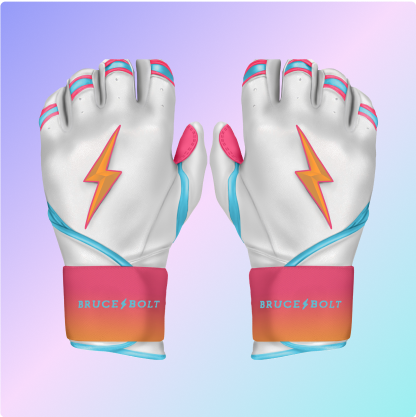
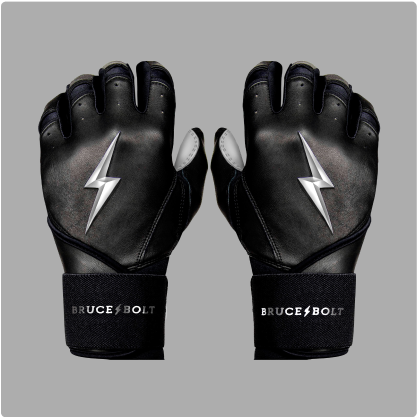
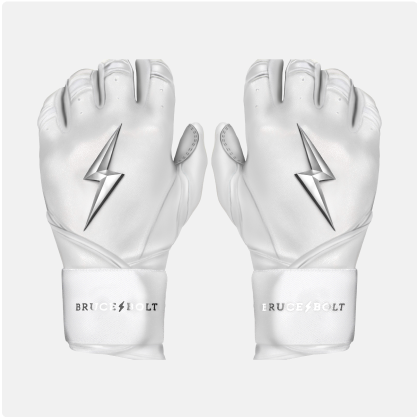
Winter golf is achievable with the right preparation, but we all know that when the sun shines is when golf shines. For those warmer rounds, BRUCE BOLT golf gloves deliver premium Cabretta leather and purposeful construction for golfers who demand the best feel and grip on the course. The Original Series offers that second-skin fit and superior grip in a range of colors built to stand out. When you're ready for gear that performs as hard as you do, BRUCE BOLT has you covered.
FAQs
Should I wear winter golf gloves on both hands?
Yes, most golfers wear winter gloves as a pair on both hands for maximum warmth and a consistent grip. The added warmth outweighs any slight change in feel on your trail hand.
Can I wear winter golf gloves in wet conditions?
Many winter golf gloves feature water-resistant materials that perform well in light rain or damp conditions. For heavy rain, consider dedicated rain gloves designed specifically for wet glove performance.
Will thicker winter gloves affect my swing and club feel?
Quality winter golf gloves balance warmth with feel. While slightly thicker than summer gloves, they shouldn't significantly impact your golf swing when properly fitted. The key is finding gloves designed specifically for golf rather than general winter gloves.
How do I know what size winter golf gloves to buy?
Use the brand's size chart and measure your hand from the base of your palm to your middle fingertip. Winter gloves may fit differently than your typical glove due to added insulation, so check sizing guides carefully. When possible, try them on before buying.
How long do winter golf gloves last?
With proper care, quality winter golf gloves can last multiple seasons. Replace them when you notice reduced warmth, compromised grip, cracking materials, or worn spots in high-contact areas. Proper cleaning and storage extend glove life significantly.