

At a Glance: What you wear to the batting cage makes all the difference in how you move, how safe you are, and how long you can train. Choosing the right gear ensures you stay comfortable, protected, and ready to perform your best. You should wear a fitted athletic top, flexible pants or shorts, supportive shoes, and simple protective gear so every batting cage session feels focused and productive.
Why Proper Batting Cage Attire Matters
The batting cage is where swings are built. It is where a baseball player repeats the same move until it feels natural. The wrong clothing can distract from that work.

Proper attire matters because it helps with:
-
Safety: Loose shirts, long necklaces, and dangling earrings can catch on the bat or net. Headphones can block out coaches and staff. Fitted apparel stays close to the body and lowers the risk of snags.
-
Performance and mechanics: Tight jeans or stiff pants limit your stride and hip rotation. A slippery top twists as you swing. Clothing that fits well lets you load, stride, and rotate without fighting your outfit during a practice session. The wrong clothing can interfere with your swing or movement, making it harder to perform at your best.
-
Comfort in long work: Good gear uses breathable fabrics and moisture-wicking technology to handle heat and sweat. When you feel comfortable, it is easier to focus on timing and contact.
-
Protection from impacts: Balls can foul off into your body. Bats rub against your hands and fingers. Smart fabric choices and gloves protect skin so you can keep working.
This applies to youth players in Little League, high school lineups, and older athletes at the diamond. It also helps parents feel confident that their players are dressed to train, not just to look the part.
Remember, wearing the right attire is essential for both your safety and performance in the batting cage.
What Should You Wear on Your Upper Body?
Shirts and Tops
Start with a top that moves with your swing. A simple athletic t-shirt, baseball shirt, or baseball t-shirt works well for most hitters. Many players also like baseball practice shirts that are cut for throwing and swinging.
Look for:
-
A fitted shirt that is not baggy and allows a full range of motion for unrestricted swings
-
Moisture-wicking technology to pull sweat from the skin
-
Soft, breathable fabrics that stay comfortable
If your team has baseball jerseys, wearing your jersey in the cage can help you feel locked into your routine. Sleeve baseball shirts or light long sleeves also work on cooler days.
Keep these guidelines in mind:
-
Short sleeves are great for most cage work
-
Long sleeves help in cooler weather or outdoor cages
-
Avoid tank tops that expose a lot of skin
-
Skip tops with hoods, long drawstrings, or big, loose pockets
When your top feels like your uniform, it is easier to treat the cage like real game work, not just practice swings.
Why Batting Gloves Matter For Your Batting Cage Session
Batting gloves might feel optional at first, but regular hitters know they matter. Constant contact with the bat can lead to blisters and hot spots that cut sessions short.
Good batting gloves help with:
-
Protection from blisters and calluses
-
Better grip when your hands start to sweat
-
More controlled bat paths on every swing
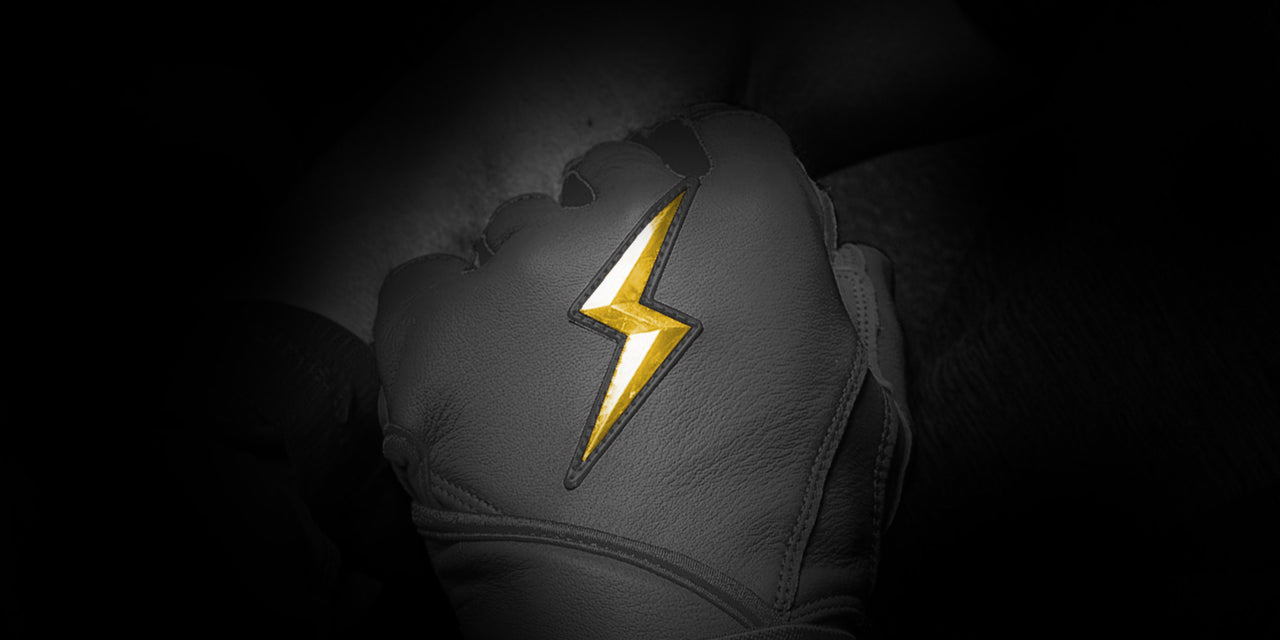
BRUCE BOLT batting gloves are built for hitters who spend real time in the cage. Premium leather grips the handle, soft padding supports the hand, and the fit stays secure during long rounds. That kind of feel helps you trust your hands and keep your mind on the ball.
When picking gloves, look for:
-
Snug fit with no bunching
-
A wrist closure that feels secure
-
Leather that feels durable but not bulky
Break in new gloves during light cage work before long days of hitting, so they mold to your hand and feel natural.

What Pants or Bottoms Work Best at Batting Cages?
What you wear on your legs affects your stance, stride, and comfort.
Strong options include:
-
Baseball pants for a traditional, locked-in feel
-
Athletic joggers or training pants that allow easy bending and rotation
-
Fitted athletic shorts for hot days or lighter work
These choices let you:
-
Sink into your stance without pulling fabric
-
Take full strides toward the pitcher
-
Move side to side as you reset between swings
Baseball pants shine when:
-
You are working with a baseball coach
-
A little leaguer or high school player might slide or dive in drills
-
You want practice to feel close to game day
Shorts work for:
-
Warm weather cage time
-
Casual rounds with a friend or parents tossing
-
Quick tune-ups before or after school
Basketball shorts are common, but very loose cuts can catch on nets or affect your stride. Fitted athletic shorts or pants are usually a better call. A softball player can follow the same rules here. The goal is simple: bottoms that move with your swing and feel good on any part of the diamond.
What Kind of Footwear Should You Wear?
Footwork matters in the cage. The wrong shoes can make you slide or lose your balance as you swing.
Good choices:
-
Athletic sneakers with secure laces and solid traction
-
Turf shoes for artificial turf or indoor cage surfaces
-
Rubber baseball cleats, when the facility allows them
Try to avoid:
-
Sandals or slides
-
Flip flops
-
Dress shoes
-
Worn-out sneakers with smooth, slick soles
You want your feet to feel planted as you load, stride, and rotate. A solid base supports your hips and core, so the swing starts from the ground up. Indoor cages often ask for non-marking soles, so check the rules when you book time at the batting cage.
What Accessories and Protective Gear Do You Need?

Helmets are essential protective gear at many batting cages, and most cages require a batting helmet for all hitters. Even if it is not on the rules list, wearing a helmet is a smart move, especially at higher speeds.
Core protective equipment
-
A helmet that fits snugly without wobbling
-
Protective cup for male players
-
Elbow guards for players coming back from hit-by-pitches
-
Leg guards for younger hitters who are still learning to track the ball
This equipment is designed to cover and protect vulnerable areas during batting practice, ensuring safety and confidence at the plate.
Optional but Useful Items
These pieces are not required, but they help keep you comfortable and ready:
-
Team hat or cap for outdoor cages with bright light
-
Sunglasses for outdoor fields or open-air cages
-
A small bag to keep all your gear in one place
Avoid:
-
Watches that can crack on contact
-
Rings, chains, and dangling jewelry
-
Loose bracelets
-
Headphones that block out coaches and staff
These habits help youth players, little leaguers, and older athletes build safe routines that last through every baseball season and help develop players' skills.
BRUCE BOLT: Built For Better Cage Work
Every round in the cage is a chance to sharpen your game, so knowing what to wear to batting cages is very important. BRUCE BOLT baseball pants give you a clean, game-ready feel that moves with your stance, stride, and swing, rep after rep.
Compression arm sleeves help keep your throwing and hitting arm warm, supported, and ready for longer sessions. They give you a locked-in feel without getting in the way of your mechanics.
Our batting gloves are built for hitters who live in the cage. Soft, high-quality leather, secure fit, and serious grip help your hands stay comfortable and confident through every swing.
Suit up in BRUCE BOLT gear and let every batting cage session carry over to game day.
FAQs
Do I really need batting gloves for the batting cage?
You can hit without them, but most serious hitters prefer batting gloves. They protect your hands from blisters, help your grip stay strong as you sweat, and support steady bat control during long rounds.
Do you wear cleats to batting cages?
You can wear rubber cleats when the cage surface allows it. Many indoor facilities prefer sneakers or turf shoes instead, so it is smart to check their rules before you arrive.
Should I wear a cup to the batting cage?
A cup is not always required, but it is recommended for male players. Foul balls and mis-hits can come off the bat fast, and extra protection is worth it.
Can I wear shorts to the batting cage?
Yes, fitted athletic shorts are fine for many sessions, especially in warm weather. Just avoid very loose or heavy shorts that can catch on nets or restrict your stride.
Do these tips apply to softball players too?
Yes. Swing mechanics and movement patterns are similar for baseball and softball. A softball player can follow the same guidelines for tops, bottoms, footwear, and protective gear used by most baseball teams and their hitters.