


At a Glance: The ABS challenge system allows batters, pitchers, and catchers to challenge ball and strike calls during MLB games starting in 2026. Each team gets two challenges per game, and the call is reviewed using Hawk-Eye camera technology that tracks pitch location against a player-specific strike zone.
Major League Baseball has made some big changes over the past few years. The pitch clock sped up the game. Bigger bases opened up the running game. Now, the automated ball-strike challenge system brings the biggest shift yet to how balls and strikes are called. For the first time in MLB history, players have a way to push back on a pitch call they believe the home plate umpire got wrong. Below is a full breakdown of how the system works, what it means for strategy, and why it matters for fans and players heading into the 2026 regular season.
What Is the ABS Challenge System?
ABS stands for Automated Ball-Strike. The ABS challenge system is a technology-assisted review process that lets players challenge a home plate umpire's ball or strike call during an MLB game. It was approved in September 2025 by the Joint Competition Committee, a group made up of six owners, four active players, and one active umpire.
How the Technology Works
The system runs on 12 Hawk-Eye cameras set up around the perimeter of each ballpark. Those cameras track the location of every pitch in real time. When a player disagrees with a call, the system compares the pitch location to the batter's strike zone and determines whether the original call was correct.
Why Not Full Robot Umpires?
MLB tested a full ABS system in the minor leagues where every ball and strike was called by the technology. That version was first used in the independent Atlantic League in 2019. But players, coaches, and fans pushed back. Full automation led to more walks, longer games, and removed the art of pitch framing from the catcher's game.
By the end of 2024, MLB moved away from full ABS at the minor league level and committed to the challenge system instead. It keeps the human element of umpiring while giving players a way to correct the calls that matter most.

How Does the ABS Challenge Work?
The rules are straightforward. Only three people on the field can initiate a challenge: the batter, the pitcher, or the catcher. Managers, coaches, and other players on the field cannot challenge or help with the decision.

Here is how the process works:
-
Signal immediately. The player taps his cap or helmet within roughly two seconds of the umpire's call. MLB also encourages a verbal confirmation to the umpire.
-
No outside help. The decision to challenge must come from the player alone. If the umpire believes the challenge was influenced by the dugout or a teammate, the challenge can be denied.
-
Review on the board. An animated pitch graphic appears on the stadium video board and the broadcast feed, showing the pitch location against the batter's strike zone.
-
Quick resolution. During 2025 spring training games, the average challenge took about 13.8 seconds to resolve.
Each team starts the game with two challenges. If a challenge is successful and the call is overturned, the team keeps that challenge. If the umpire's original call stands, the team loses one. Once both challenges are gone, the team cannot challenge again until extra innings.
What Happens in Extra Innings?
If a team enters an extra inning with no challenges remaining, they receive one additional challenge for that inning. If they do not use it, it does not carry over. The challenge resets each extra inning. Teams that still have one or both of their original challenges heading into extras will not receive an additional one. MLB finalized these extra inning rules during Cactus League media day in February 2026.
A pitch cannot be challenged when a position player is on the mound. Both an ABS challenge and a replay review can happen on the same play, but the ball-strike call is settled first.
How the ABS Strike Zone Is Defined
The ABS system uses a strike zone that is slightly different from what umpires have traditionally called. Understanding those differences matters for pitchers, catchers, and hitters adjusting to the new system.
Zone Dimensions
The ABS strike zone is a two-dimensional rectangle set at the midpoint of home plate. It is 17 inches wide, matching the width of the plate. The top and bottom of the zone are based on each player's height:
-
Top of the zone: 53.5% of the batter's measured height
-
Bottom of the zone: 27% of the batter's measured height
Players are measured by independent testers during spring training while standing upright without cleats. MLB certifies each player's official height before the regular season begins.
How It Differs from the Traditional Strike Zone
Human umpires have historically called a zone that is slightly larger and more oval-shaped than what ABS defines. According to MLB data, umpires tend to set the top of the zone at about 55.6% of a batter's height and the bottom at 24.2%. The ABS zone is a bit tighter, which could lead to fewer borderline strike calls.
Where the Ball Is Measured
The system measures pitch location as the ball passes through the center of the plate, not the front edge. If any part of the ball touches any part of the zone at that point, it is a strike. This removes some of the gray area that has existed with the human eye behind home plate. Big league umpires currently call about 94% of pitches correctly. The ABS challenge system is designed to clean up the other 6%, especially in high-leverage situations late in games.
How the ABS Challenge Adds Strategy to the Game
The challenge system is not just a fairness tool. It adds a layer of strategy that did not exist before. Teams have to decide when to use their challenges, who should use them, and whether to save them for late-game situations.
Who Should Challenge?
Early data from 2025 spring training shows that catchers are the most successful challengers with a 56% overturn rate. Batters sit at about 50%, and pitchers come in at 41%. That makes sense. Catchers spend every pitch just inches behind the plate and develop a strong feel for borderline calls.
Some teams are already building their approach around this data. Certain organizations have told their pitchers not to challenge and to leave the decision to the catcher instead.
When to Use Them
With only two challenges per game, the decision of when to use them matters. Some things to consider:
-
High-leverage at-bats. A full count with runners on base in the seventh inning is worth more than a first-pitch call in the second.
-
Protecting your challenges. The overturn rate hovers around 50 to 52%. That means roughly half of all challenges fail. Burning one early on a borderline pitch could leave a team without a challenge when it counts.
-
Reading the umpire. Teams that track which calls the umpire tends to miss can make smarter decisions about when to challenge.
During spring training, teams averaged about 4.1 challenges per game. That number will likely settle as teams develop clearer strategies heading into the regular season.
Step Up to the Plate with Confidence
The ABS challenge system is changing the way the game is played at the plate. But no matter how the rules evolve, the swing still starts with the grip. The connection between your hands and the bat is the foundation of every at-bat, from the first pitch to a challenged strike call in the ninth.
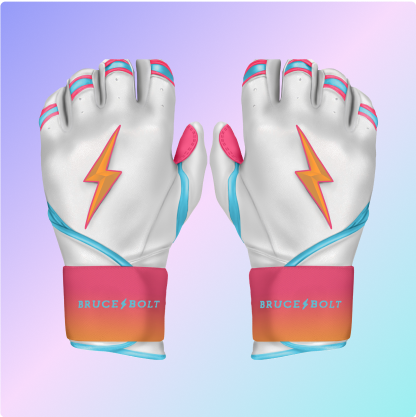
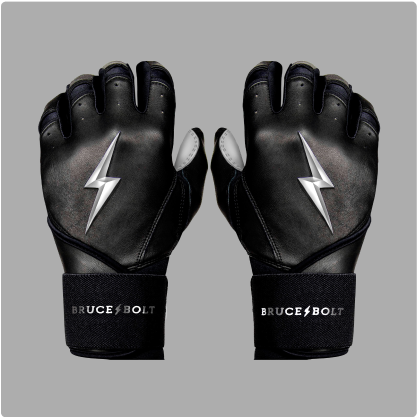
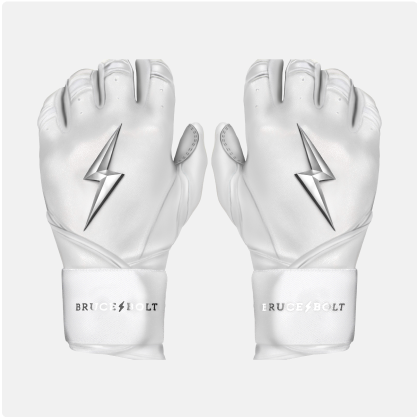
BRUCE BOLT batting gloves are built with premium 0.9mm Cabretta leather that is soft out of the box and stays that way. The double-reinforced palm holds up through long practice sessions without getting stiff or cracking. Conical fingertips follow the natural shape of your hand for a second-skin fit, and the increased wrist support gives you a locked-in feel from the first swing to the last. Whether you are a batter stepping in against a painted corner or a catcher making split-second decisions behind the plate, your gear should match the moment. Browse the full lineup of BRUCE BOLT batting gloves, check out the Signature Series, or visit brucebolt.us to find the pair that fits your game.