


The Short Answer: A good softball swing is built on a sequence of movements that flow naturally into each other. A solid stance, a controlled load, and explosive hip rotation all connect. Get those pieces right, and the power takes care of itself.
Our guide on how to swing a baseball bat was built for our baseball players, but softball is a different game with its own timing demands, pitch types, and mechanics worth covering on its own. This guide breaks down every phase of the softball swing from stance to follow-through, so you have a clear picture of what to work on and why it matters.
Start with Your Stance and Grip
Before you ever swing the softball bat, your stance and grip set the tone for everything that follows. A shaky foundation produces inconsistent swings. A solid one gives you a repeatable base to generate power from.
Build a Balanced Stance
The ideal batting stance starts with your feet shoulder-width apart, knees slightly bent, and weight evenly distributed across both feet. This position gives you stability and a strong base for generating torque through the swing. Keep your upper body relaxed, your head still, and your eyes locked on the pitcher from the moment you step into the box.
Whether you play fastpitch softball or slowpitch softball, the stance fundamentals stay the same. Standing too close or too far from the plate forces compensations that throw off your swing path. A simple way to check your distance is to extend your bat and tap the outside of the plate. That is where your feet should land.
Grip the Bat in Your Fingers, Not Your Palms
A proper grip starts with the bat sitting in the fingers rather than deep in the palm. Align your knuckles so they form a straight line across both hands. This position allows your wrists to move freely through the hitting zone and produces faster, more fluid bat speed.
Gripping too tightly is one of the most common mistakes at every level. Tight hands create tension that travels up through the forearms and restricts wrist action at contact. Keep the grip firm enough to control the softball bat but relaxed enough to let it whip through the zone. Bat style does not change this rule. Composite handle bats, wood bats, and everything in between all perform better with a relaxed, finger-first grip.
Load and Stride: How to Prepare for the Pitch
A swing does not start when the bat moves forward. It starts the moment the softball pitcher begins their delivery. The load and stride are where you generate the potential energy that powers the swing.
Load Your Weight Back
As the pitcher releases the ball, shift your weight slightly onto your back leg. This is called the load. Think of it like coiling a spring. The more controlled the load, the more momentum you have to uncoil into the swing. Avoid exaggerating this movement. A slight, controlled weight shift is all you need. Overdoing it throws off your balance and timing.
In fastpitch, an average fastball gives you little room for error. In slowpitch, the arc can fool you into loading late. Either way, the load needs to happen before the pitch reaches you.
Take a Short, Controlled Stride
From the load, take a short stride toward the pitcher with your front foot. According to a peer-reviewed kinematic study of the college-level female softball swing published on PubMed Central, the stride and front foot plant are among the most biomechanically significant moments in the swing, as the front foot anchors hip and upper body rotation through the hitting zone. Landing softly with your front foot creates a firm base for that rotation and keeps your weight from shifting too early.
A long stride is one of the most common timing killers in softball. It shifts your weight forward too early and forces you to swing with your arms rather than your hips. For any softball player working on consistency, shortening the stride is often the fastest fix.
Drive with Your Hips, Not Your Arms
This is where most softball hitters leave power on the table. The arms deliver the bat, but the hips generate the speed. If your swing feels like it is powered by your upper body, power is being lost.
Fire the Hips First
As your front foot plants after the stride, your hips should fire toward the pitcher before your hands move. A segment power analysis of collegiate softball hitting published on PubMed found that energy flows through the kinetic chain from the pelvis and trunk into the upper extremities during the acceleration phase of the swing, with the trunk receiving large energy inflow before that energy transfers upward to the hands and bat. Hips lead. Hands follow.
A useful drill is to practice hip rotation without swinging the bat at all. Plant your front foot, drive your back hip forward, and feel the rotation in your core. That is the same movement that needs to happen before your hands ever begin moving toward the ball. Power hitters at every level, from USA Softball competition down to local league play, generate their power this way.
Keep Your Hands Inside the Ball
As your hips rotate, your hands should take a direct, compact path toward the contact zone. Casting, which is when your hands drift away from your body early in the swing, lengthens the swing and kills bat speed. The farther your hands get from your body before contact, the slower and weaker the swing becomes.
Keep your back elbow connected to your hip as you start the rotation. This keeps your hands inside the path of the ball and produces a more direct, powerful swing path through the hitting zone.
Contact Point and Swing Path
Getting your swing started correctly sets you up, but where and how you make contact determines the outcome of the at-bat.

Make Contact Out in Front
For most pitches, the ideal contact point is slightly out in front of your hip. Making contact too late, deep in the strike zone, reduces power and limits your ability to drive the ball. Making contact too early pulls everything foul. Finding the right contact point takes repetition, but the goal is consistently extending through the ball rather than just at it.
Once your hips and hands have initiated the swing, rotating your shoulders through contact is the final movement before the barrel reaches the ball. Keep your head down and your eyes on the contact point through impact. In fastpitch, this is especially important when tracking a rise ball, which climbs through the top of the strike zone and punishes hitters who pull their head off the ball early.
Extend Through the Ball
At the moment of contact, your arms should reach full extension through the hitting zone. Think about driving the barrel through the ball rather than stopping at contact. This extension maximizes energy transfer from the bat to the ball and is what produces hard-hit contact rather than weak grounders and pop-ups.
A high-performing bat with a massive sweet spot gives you more margin for error, but it cannot replace good mechanics. The barrel still has to arrive at the right spot at the right time for any of it to matter.
Follow-Through, Timing, and Pitch Selection
A swing does not end at contact. What happens after contact matters just as much for consistency and power.

Finish with a Full Follow-Through
A complete follow-through ensures that you have driven through the ball with full extension rather than decelerating before impact. Finish high, near your front shoulder, and let the bat wrap around naturally. If your follow-through is short or choppy, it usually means you slowed down before contact.
Swing weight plays a role here, too. A bat that is properly matched to your strength and swing style will feel balanced through the follow-through rather than pulling you off your line. A bat that is too heavy or too light for your mechanics makes a clean, consistent finish harder to repeat.
Work on Timing
Swing mechanics are only half the equation. Timing is what separates hitters who look good in the cage from those who produce in games. A complete practice routine includes tee work for mechanics, front toss to train timing and barrel awareness, and live pitching to connect everything to game speed. All three have a distinct role, and skipping any one of them leaves a gap in your preparation.
For fastpitch softball players, tracking pitches from live pitchers is the only way to develop the kind of reaction time needed to handle an average fastball at the college or competitive travel level.
Be Patient with Pitch Selection
A good swing on a bad pitch still produces a bad outcome. Identify the pitches you can drive and commit to them. Laying off pitches outside your power zone is just as important as attacking the ones inside it. In fastpitch, a new softball coming in with late movement can trick even experienced hitters into chasing. In slowpitch softball, patience means waiting on the arc and letting the ball get deep enough to drive.
The more you practice tracking pitches, the faster you recognize which ones to attack and which ones to let go.
Step Up and Swing with Confidence
Every element of the softball swing is connected. A balanced stance feeds a strong load, a controlled stride sets up hip rotation, and hip rotation drives the hands to the barrel. A full follow-through locks it all in. Work on each phase individually, then put it together and trust your reps.
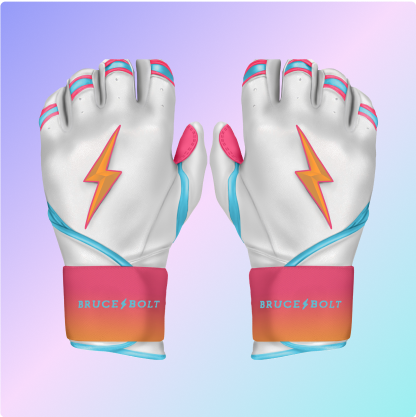
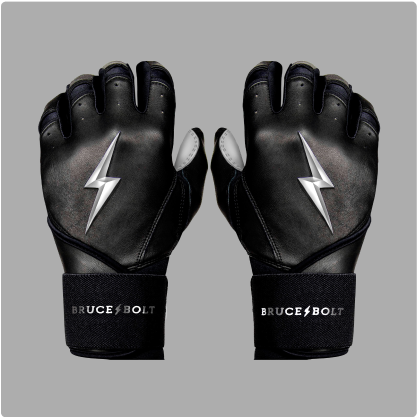
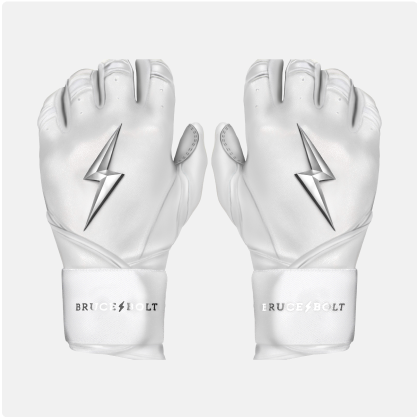
BRUCE BOLT batting gloves are built with premium Cabretta leather, a patent-pending articulated wrist design, and moisture-resistant finishing that keeps your grip locked in from the first pitch to the last out. Browse the full softball collection or shop all BRUCE BOLT batting gloves to find the right fit for your game.