


The Short Answer: Hitting a driver well comes down to a setup that lets you strike the golf ball slightly on the upswing and a downswing led by your lower body. Tee the ball so half of it clears the crown, and play it inside your lead heel.
The driver is the most rewarding club in the bag and the hardest one to trust. A good tee shot sets up an easy approach, and a bad one can cost you two strokes before you reach the fairway. It is easy to assume the fix lives deep in your golf swing, which sends plenty of recreational golfers chasing mechanics they cannot feel. More often, the trouble starts in the setup, where small errors get magnified by the longest club you own. When your setup is right, there is less to fix once the club starts moving.
How to Set Up for a Driver
A driver is the only club you want to strike on the way up, and your address position makes that possible.

Ball Position and Tee Height
Play the golf ball inside your lead heel. That puts it forward of the low point of your arc, so the club head is already rising when it reaches impact. If the ball drifts back toward center, the strike gets steeper, spin climbs, and distance drops.
Set the peg so about half the ball sits above the top edge of the club face. Too low leads to a thin strike, and too high leaves you sliding underneath.
Stance Width and Weight
Set your feet slightly wider than your shoulders for a stable base against the speed a driver produces. Keep a soft flex in the knees and let your arms hang naturally.
Weight should sit close to even, with a slight lean toward your trail side. A golfer who loads the front foot at address almost always bottoms out behind the ball.
Adding Side Tilt
Tilt your upper body slightly away from the target so your trail shoulder sits lower than your lead shoulder. This adjustment does more for launch than anything else at address. Without it your shoulders stay level and the motion turns into a downward chop.
The Driver Swing, Step by Step
Start Wide and Low
Your first step is a takeaway that keeps the club head low and away from your body. Width in the backswing creates the arc you need, so picking it up steeply costs you clubhead speed.
Let the Lower Body Lead
The downswing starts with a weight shift into your front foot, not with your shoulders. When the upper body fires first, the club gets thrown outside the target line and cuts across the golf ball. Feel your lead hip clear as the club comes down.
Hit Up Through Impact
Angle of attack is what separates a long drive from a short one. A positive angle of attack launches the ball higher with less spin, which adds carry and total distance. At impact the shaft should sit roughly parallel with your lead arm rather than leaning forward like an iron.
A slower golf swing with a better strike often beats a faster one that catches the ball on the way down, because the extra spin from a steep hit costs you yards.

The Grip Most Golfers Overlook
Your hands are the only point of contact between your body and the golf club, and a loose hold shows up faster with a driver than with any other club in the bag.
Where the Club Sits in Your Hands
Hold the handle in your fingers rather than your palms. A palm grip restricts wrist hinge, which costs you speed and leaves the face open at impact. For a right-handed golfer, the left hand should show two to three knuckles at address. The right hand sits on top in a neutral handshake position.
Grip Pressure
Squeezing the handle tightens your forearms and shoulders, which slows the club through impact. Use only enough pressure to keep it from slipping. The looser your arms stay, the more speed you get through the ball.
Run through this before every tee shot:
-
Ball position. The golf ball sits inside your lead heel with half of it showing above the club face.
-
Stance. Your feet sit slightly wider than your shoulders, and your knees stay soft.
-
Tilt. Your trail shoulder sits lower than your lead shoulder.
-
Hands. The grip runs through your fingers with relaxed pressure.
Common Driver Mistakes and How to Fix Them
Most bad drives come from the same handful of faults. Learn to read your ball flight and you will know what to work on next time.
The Slice
A slice happens when the face points right of the swing path at impact. The face is usually open because the grip is too weak or the downswing starts with the shoulders. Strengthen your lead hand until you see three knuckles, and check that your right hand has not crept underneath the handle.
The Pop-Up
A pop-up means the club came down too steeply and struck under the golf ball, often leaving a scuff on the crown. The usual causes are a tee that is too high, a ball too far forward, or a stance that is too narrow. Lower the peg, widen your base, and check your tilt.
The Topped Drive
Topping comes from a swing arc that rises before it reaches the ball, usually because the golfer stands up out of posture during the downswing. Keep your chest pointed at the ball through impact and let your weight move onto your front foot.
Dial In Your Club and Your Numbers
Find Your Actual Number
Guessing at distance leads to bad decisions on the golf course. A launch monitor gives you your actual number for ball speed, clubhead speed, and carry. Many ranges have one, and a single session will show you where you actually stand.
Should You Try a Mini Driver?
A mini driver is a shorter, higher-lofted club that sits between a traditional driver and a 3-wood. The head is smaller and the shaft usually runs an inch or two shorter, which makes the sweet spot easier to find. A golfer who fights a slice often finds the mini driver keeps them in the fairway.
That said, the trade is not right for every golfer. If you already find the center of the face and want maximum distance, the traditional driver wins. Some PGA Tour players carry a mini driver on tight golf courses where accuracy matters more than raw yards.
Know When to Leave It in the Bag
Hitting driver on every hole is a habit worth breaking. On a tight par 4, a fairway wood off the tee box leaves a longer approach and a much better lie. Accuracy from the short grass saves more strokes than distance from the rough, and your short game benefits too.
Gear Up for the Tee Box
Every adjustment on this list only works if your hands stay put. A glove that slips during a full swing lets them turn on the handle, which opens the face at impact.
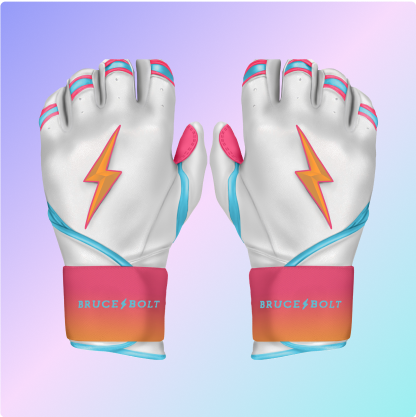
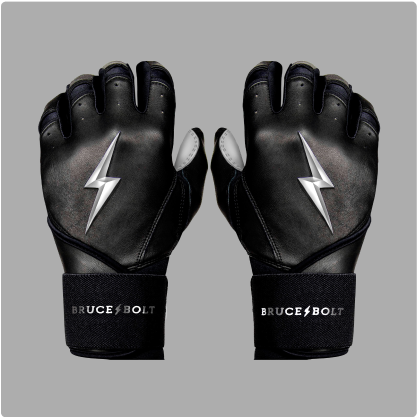
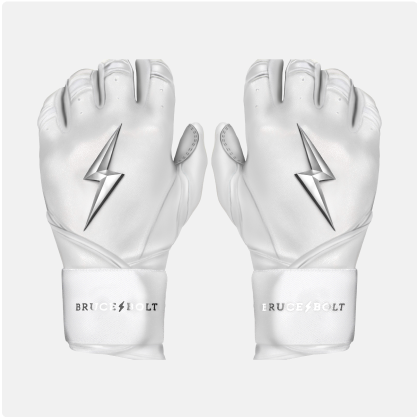
BRUCE BOLT golf gloves are built with premium 0.45mm Cabretta leather that molds to your hand and holds its tack round after round. The patent-pending articulated wrist design keeps the glove locked in place through aggressive driver swings, and the conical fingertips are shaped to sit flush instead of bunching. The Front 9 / Back 9 two-pack lets you swap at the turn, so the tenth hole starts fresh. Browse the full lineup of BRUCE BOLT golf gloves and step onto the tee with confidence.