


At a Glance: You do not need a golf course or a driving range to improve your golf game. Effective golf drills at home include mirror work for posture and alignment, slow motion swing reps, the towel under the arms drill for connection, putting gate drills, and chipping into a backyard target. All of these can be done with minimal space and no ball required.
Most golfers assume improvement only happens on the range or the course. The most effective practice does not always happen on the range or the course. A club, a mirror, and a few minutes of focused work can move your game forward faster than an hour of unfocused range time. This blog covers the best golf drills you can do at home, from full swing to putting, and how to make every session count.
Why Practicing at Home Actually Works
You Do Not Need a Ball to Get Better
One of the biggest misconceptions in golf is that practice only counts when a ball is involved. As GOLF.com explains in their breakdown, swinging without a ball removes the instinct to hit and allows you to focus entirely on the movements you are trying to build. Slow motion reps, shadow swings, and mirror work all build the skills and muscle memory that translate to better mechanics when you get to the course.
PGA Tour player Will Zalatoris credits slow motion practice as a core part of how he developed his swing, and Max Homa does mirror work before every round to check his posture. These are not amateur workarounds but legitimate practice methods used by some of the best players in the world.
Short Sessions Beat Long Unfocused Ones
Intentional practice with a clear focus will do more for your game than an hour of unfocused range time. According to Golf Digest's breakdown of how tour pros structure their practice sessions, the best players in the world run through the same focused cycles every time they practice, and their game reflects that. Track your progress by noting what you worked on and what improved between sessions. Pick one drill, work it until the movement feels natural, and then move on.

Full Swing Drills You Can Do at Home
Mirror Drill for Posture and Alignment
-
Set up in front of a full length mirror with your club in your normal address position
-
Check your spine angle, knee flex, and whether your shoulders are level
-
Make slow backswings and pause at the top to check your lead wrist position
-
Check whether the club is on plane and make small adjustments before swinging through
The Purpose: Get immediate visual feedback on technique and positions that are impossible to feel accurately on your own, without spending a dollar or leaving your house.
Slow Motion Swing Drill
-
Take your club and set up in your normal address position
-
Make a full swing at about 25 percent of your normal speed
-
Pause at hip height on the backswing, the top, and hip height on the downswing
-
Check your positions at each stop and make corrections before continuing
The Purpose: Train your body to feel every position in the swing without the pressure of hitting a ball, so the right movements become automatic over time.
Towel Under the Arms Drill
-
Fold a small towel and tuck it under both armpits at address
-
Make slow swings without letting the towel fall from either side
-
Focus on keeping your arms and body moving together as one unit
-
If the towel drops, reset and repeat until the connection holds through the full swing
The Purpose: Train your arms and body to move together rather than the arms taking over, which builds the rotation habit that every consistent swing depends on.
Alignment Stick Swing Path Drill
The alignment stick swing path drill is one of the most simple drills you can set up at home and is effective for golfers who struggle with a slice.
-
Place an alignment stick in the ground just outside the ball at a shallow angle pointing back along your target line
-
Set up normally and take slow, controlled practice swings
-
Focus on keeping your club moving along or slightly inside the stick through impact
-
Use the stick as a visual guide to check your path and make small adjustments
The Purpose: Train an inside-out swing path and eliminate the over-the-top move that causes slicing, without needing a ball or a range.
Putting Drills You Can Do at Home
Putting Mat Stroke Drill
-
Set up on your putting mat with your normal grip and stance
-
Pick one focus for the session: stroke path, face angle at impact, or distance control
-
Hit putts to a target at a set distance and track how many finish within a consistent range
-
Repeat with the same focus until the result becomes predictable before changing anything
The Purpose: Build a repeatable putting stroke by working on one variable at a time rather than trying to fix everything at once.
Mirror Drill for Putting
-
Place a small mirror flat on the floor and address a putt over it
-
Position yourself so your eyes are directly over the ball
-
Look down and check that your eyes are reflected straight back at you
-
If your eyes are inside or outside the ball, adjust your setup until the reflection lines up
The Purpose: Fix alignment and eye position at address, which directly affects stroke path and how consistently you start the ball on your intended line.
Gate Drill for Face Control
-
Place two tees just wider than your putter head on either side of the ball on your putting mat
-
Address the putt normally and make your stroke
-
Focus on swinging through the gate without touching either tee
-
If you clip the same tee consistently, that side is where your stroke is breaking down
The Purpose: Train a square face at impact and a straight stroke path using immediate physical feedback that tells you exactly where the problem is.
Short Game Drills You Can Do at Home
Chipping Into a Target
-
Set up a towel, bucket, or pillow as your target in your backyard or an open indoor space
-
Use foam balls or practice balls and chip toward the target from a consistent distance
-
Focus on landing the ball on a specific spot rather than just getting it close to the target
-
Move the target to different distances and track how often you land within your intended zone
The Purpose: Build distance control and accuracy in the short game through repetition with a clear target, which is the same way tour players develop feel around the green.
Grip Down Drill for Feel
-
Grip your wedge or short iron all the way down to the bottom of the handle
-
Set up to a target with a narrow stance and make small chip swings
-
Focus on keeping the motion controlled and connected rather than generating power
-
Gradually move the grip back up as the feel and consistency improve
The Purpose: Remove power from the equation and force a controlled, connected chipping motion that builds the touch and feel needed for consistent short game performance.
How to Get Feedback Without a Coach or Ball Flight
Use Your Phone for Video
Set your phone on a stable surface down the target line and record your practice swings. Pause the video at the takeaway, the top of the backswing, and impact. At each stop, check whether your positions match what you are working on. Video gives you the kind of objective feedback that is impossible to get from feel alone, and it costs nothing.
Use Constraints to Create Feedback
Simple household objects can be some of the most effective training aids in golf. Placing a chair just inside your trail leg discourages swaying, a wall behind you limits an overswing, and a book on the ground encourages a shallower swing plane. A physical constraint gives you something to work against, which builds better habits faster than thinking your way through each position.

The Grip That Carries Your Practice Into the Game
Every drill you practice at home depends on one thing staying consistent when you get to the course: the connection between your hands and the club. The posture you trained in the mirror, the swing path you grooved with the alignment stick, and the putting stroke you built on your mat all require a grip that holds under pressure.
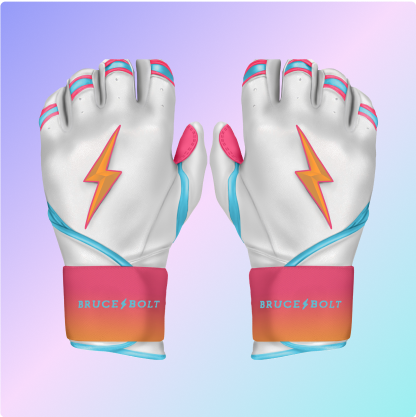
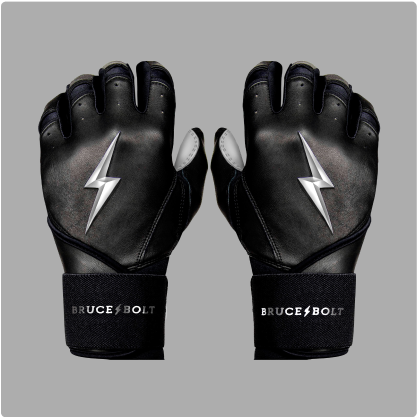
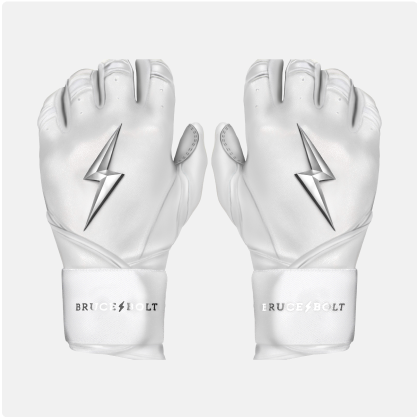
BRUCE BOLT golf gloves are built with premium Cabretta leather and reinforced grip zones that keep your hands exactly where you trained them to be from the first swing to the last. When the grip holds, the mechanics hold.
Browse the full lineup at BRUCE BOLT and find the glove that fits your game.