


The Short Answer: The best golf glove fits snug without restricting movement, uses quality materials like Cabretta leather for grip and feel, and matches your playing conditions. A good glove creates a firm connection between your hand and the golf club, which translates to more consistent swings and better control on the course. This guide breaks down fit, materials, features, and how to choose based on how you play.
What's the Right Fit for Your Golf Glove?
A golf glove that fits well is the foundation of a confident swing. Too loose, and the material bunches and slides. Too tight, and you lose flexibility over 18 holes.

Sizing and Hand Shape
To find your glove size, measure your hand in two places:
-
Length: from the base of your palm to the tip of your middle finger
-
Circumference: around your knuckles, excluding the thumb
Most brands offer sizing charts that convert these measurements to small, medium, large, and extra-large. Sizes vary between brands, and some leather gloves may shrink slightly after moisture exposure.
Testing the Fit
When trying on a new golf glove, hold a club and make a fist. Check for bunching in the palm or excess material at the fingertips. The glove should feel like a second skin, snug without pinching.
Left-Hand vs. Right-Hand Wear
Most golfers wear a single glove on their lead hand. For a right-handed golfer, that's the left hand. For a lefty, it's the right hand. The lead hand does most of the work gripping the club through the swing.
When to Wear Both
Some golfers prefer gloves on both hands, especially in wet weather. If you have grip issues on your trail hand, owning both a left-hand and right-hand glove gives you options.
Fit and Feel Tests
A properly fitting glove should feel snug but not restrictive. There should be no excess material at the fingertips or palm, and the closure tab should secure comfortably around your wrist.
Break-In Period
Expect a brief break-in period. Leather gloves soften and mold to your hand shape over a few rounds. After your first warm-up swings, the glove should stay firmly in place with zero friction or sliding.
What Materials and Construction Matter?

The materials in your golf glove directly affect grip, feel, and durability. Understanding your options helps you choose the best glove for your game.
Cabretta Leather
Cabretta leather is the gold standard for leather golf gloves. Made from sheepskin, this soft leather offers a premium feel, excellent grip, and a natural fit that conforms to your hand. The trade-off: leather gloves may cost more and wear faster in hot or wet weather.
Synthetic Gloves
Synthetic gloves are often more affordable and offer better breathability in certain conditions. They hold up well to frequent use, though the feel may differ from leather.
Hybrid Gloves
Hybrid gloves combine a leather palm with synthetic backs. This approach balances performance, cost, and durability. You get the grip and excellent feel of leather where it counts, with ventilation elsewhere.
Key Construction Features
Beyond materials, construction details separate good golf gear from great golf equipment. Look for:
-
Conical finger stalls that follow the natural shape of your fingers
-
Articulated wrist designs that allow full range of motion
-
Reinforced palms for durability
-
Ventilation and perforations for hot climates
-
A closure system that secures firmly without digging into your wrist
Leather Glove Care
Leather gloves require care. Let them air dry after use, keep them away from direct heat, and store them flat. As Golf.com recommends, taking your glove off between shots and storing it in a sealed bag can significantly extend its lifespan. For more on how long gloves last, check out this breakdown on the durability of golf gloves.
Synthetic Glove Maintenance
Synthetic gloves are easier to maintain. Replace any glove when you notice thinning palm material, loss of grip, or visible wear. Rotating between two or three gloves extends the lifespan of each.
How Do Features Impact Performance on the Course?
A golf glove is high performance golf equipment. The right features translate to better grip, consistent shots, and confidence through your round.
Grip in Dry Conditions
Glove material and palm texture directly affect how the golf club feels in your hands. In dry conditions, a premium Cabretta leather glove delivers a perfect grip and excellent feel.
Grip in Humid and Wet Conditions
In humid weather, ventilation and moisture-wicking features matter more. In rain, some gloves have specialized palm treatments that improve grip when wet. A dry glove that performs in your typical playing conditions helps you stay focused on your game rather than worrying about your grip.
Fit and Shot Control
A glove that fits well creates a better connection between your hand and the club handle. Less slippage means more predictable ball striking. As Golf Digest notes, proper grip pressure is essential for a smooth, powerful swing, and a well-fitted glove helps you maintain that pressure without excess tension. Articulated wrist designs allow a full wrist hinge without baggy material in the way.
For Aggressive Swings
If you have an aggressive swing, look for gloves with reinforced palms. The goal is a firm grip that stays consistent from your first drive to your final putt.
Style and Confidence
Performance comes first, but comfort and style matter too. A glove you like gives you confidence on the first tee. Some golfers prefer classic white or black leather. Others like bold colors that match their personality, similar to how they choose their golf balls or other gear.
Which Type of Golfer Are You and What Should You Choose?
Your ideal glove depends on how often you play and the conditions you face. Here's a breakdown to help you find the right match, whether you're hitting the golf course during peak golf season or grinding through the off-season.
Casual Weekend Golfer
If you play a few times a month, you want comfort, moderate durability, and balanced cost. Synthetic or leather-synthetic blends work well. Look for an easy fit with good break-in and reliable grip across variable conditions.
Frequent Golfer and Club Player
Playing weekly or more? Durability and consistent feel become priorities. High-quality leather like Cabretta will serve you better over time. Features like reinforced palms and articulated joints make a real difference. Rotating between multiple gloves extends their lifespan.
Competitive and Tournament Golfer
At the competitive level, you need maximum feel, minimal distraction, and a precise fit. Top-grade Cabretta leather with minimal seams is the standard, similar to what Titleist Players and other tour-level options offer. Your glove should disappear on your hand. Even at this level, keep a weather-specific backup for humid or rainy rounds.
Hot and Humid Conditions
Playing in heat and humidity? Prioritize gloves with excellent ventilation or synthetic blends designed to stay dry.
Wet Weather Play
For wet weather, look for gloves with special palm treatments. Change gloves more frequently in these conditions.
Two-Handed Play
If you wear gloves on both hands, own both left-hand and right-hand models. A rotation strategy helps each glove last longer.
Find Your Glove
The right golf glove gives you grip, feel, and confidence on every swing. It starts with fit, continues with quality materials, and finishes with features that match how you play.
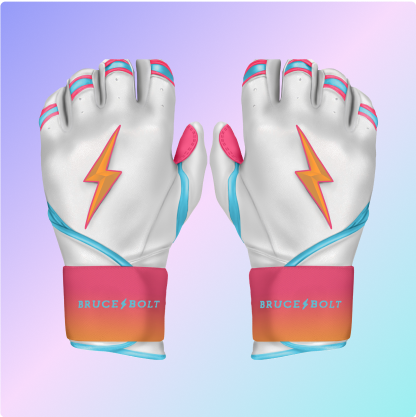
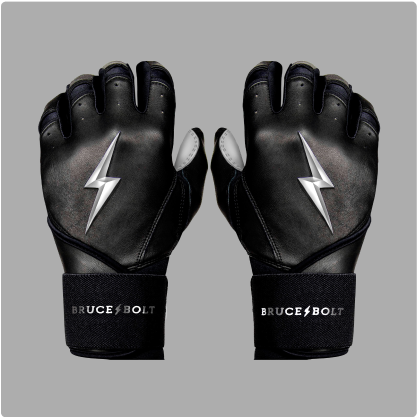
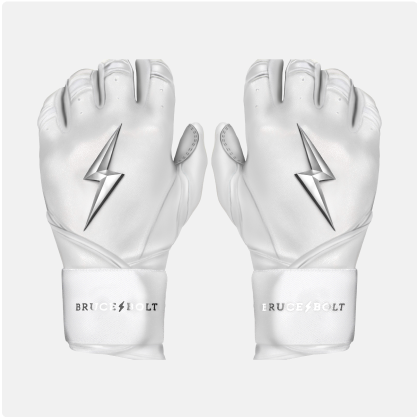
BRUCE BOLT builds golf gloves with premium Cabretta leather and purposeful construction, a premium product designed for golfers who expect more from their gear. The Original Series offers that classic leather feel in a range of colors that look as good as they perform. As a premium brand built on craftsmanship, BRUCE BOLT has you covered when you're ready to upgrade your grip.
FAQs
How often should I replace my golf glove?
Replace your glove when you notice thinning palm material, loss of snug fit, reduced grip, or visible wear. For regular players, this might be every 10 to 30 rounds. When it no longer grips the club properly, it's time for a new one.
Can I use the same glove in all weather conditions?
You can, but it may not perform at its best. In hot, humid weather, a glove with better ventilation keeps your grip dry. In rain, a glove designed for wet conditions delivers better grip when other gloves would slip.
Does material really matter between leather and synthetic gloves?
Yes. Leather, especially Cabretta leather, offers superior feel and grip. It molds to your hand and delivers tactile feedback that helps you sense the club throughout your swing. Synthetic gloves may be more durable, but often have a different feel.
Should I size up or down if I'm between sizes?
Size down. A glove that's too loose will bunch, slide, and hurt your grip. A snug glove that feels slightly tight at first will break in and mold to your hand for better performance.