


At a Glance: A golf club distance chart shows the average carry distance for each club in your bag based on your swing speed and skill level. Knowing these numbers helps you pick the right club on every approach shot, manage the golf course with more confidence, and work toward a lower score.
What Is a Golf Club Distance Chart and Why Does It Matter?
A golf club distance chart is a reference that shows how far each club typically carries the golf ball. It is organized by club type, from driver down through your wedges, and broken out by skill level or swing speed.
Why Every Golfer Needs One
Knowing your average distance with each club takes the guesswork out of club selection. Instead of standing over a 150-yard approach and debating between a 7-iron and an 8-iron, you already have the answer. That kind of clarity leads to better shots, fewer mistakes, and a lower score over 18 holes.
Carry Distance vs. Total Distance
Most useful distance charts focus on carry distance rather than total distance. Carry distance is how far the golf ball flies before it first hits the ground. Total distance includes the roll after landing. Carry distance matters more for club selection because it tells you where the ball will land, which is what you need to know when aiming at a green or clearing a hazard on the golf course. Even the PGA Tour now provides players with real-time carry distance data during practice rounds to sharpen their club selection.
Average Golf Club Distances by Skill Level
The chart below shows average carry distances in yards. These numbers are consistent with data published by Trackman across professional and amateur levels and reflect what golfers at each skill level typically see.

Men's Average Carry Distances
|
Club |
Beginner Golfer (80 mph) |
Average Golfer (90 mph) |
Good Golfer (100 mph) |
PGA Tour (114 mph) |
|
Driver |
190 |
230 |
260 |
282 |
|
3-Wood |
170 |
205 |
230 |
243 |
|
5-Iron |
125 |
160 |
185 |
205 |
|
7-Iron |
105 |
140 |
160 |
176 |
|
9-Iron |
85 |
120 |
135 |
148 |
|
Pitching Wedge |
75 |
110 |
125 |
142 |
|
Gap Wedge |
65 |
95 |
115 |
126 |
|
Sand Wedge |
55 |
80 |
100 |
104 |
|
Lob Wedge |
40 |
65 |
85 |
88 |
Swing speeds listed are driver speeds. Club speed decreases as clubs get shorter.
Women's and Senior Golfer Averages
Female golfers and senior golfers generally see shorter distances due to differences in average swing speed. According to the USGA and R&A Distance Insights Report, the average male amateur drives the ball about 216 yards, while the average female amateur drives about 148 yards. An average female golfer with a driver swing speed around 65 mph will carry a driver about 150 yards, a 7-iron around 100 yards, and a pitching wedge roughly 60 yards. A senior golfer with a slower swing speed of 75 to 85 mph will fall between the beginner and average columns above. These numbers are starting points, though. Your real distances depend on several factors beyond raw speed.
What Factors Affect How Far You Hit Each Club?
Two golfers with the same swing speed can produce very different distances. Here is what separates them.
Swing Speed and Strike Quality
Swing speed is the biggest factor in how far the golf ball travels. But speed alone does not tell the full story. Where you make contact on the clubface matters just as much, and hitting the sweet spot consistently is what separates long hitters from everyone else. This is measured by something called smash factor. As Golf.com's analysis of amateur distance data shows, a PGA Tour player and an amateur golfer swinging at the same club speed will get very different results because the tour pro hits the center of the face far more often.
Equipment and Shaft Flex
The clubs you play affect distance too. Modern drivers with larger heads and lighter shafts can add yards. Shaft flex should match your swing speed. A shaft that is too stiff for a slower swing speed will cost distance and launch the ball lower than it should go. Getting fit for the right equipment is one of the fastest ways to close the gap between your current yardages and your potential.
Golf Ball, Weather, and Altitude
The golf ball you play affects distance more than most golfers realize. A firmer ball tends to roll more, adding total distance, while a softer ball may carry higher with more spin for distance control on approach shots. Weather and altitude also play a role:
-
Wind. A headwind can knock 10 or more yards off an iron shot. A tailwind can add the same.
-
Temperature. Cold air is denser. A round in 50-degree weather will play several yards shorter than a round in 85-degree heat.
-
Altitude. Higher elevation means thinner air and longer distances. A shot that carries 150 yards at sea level might carry 160 at altitude.
How to Find Your Real Carry Distances
A distance chart gives you a baseline. Your actual numbers will be different. Finding your real carry distances is one of the best things you can do for your golf game.

Use a Launch Monitor
A launch monitor is the most accurate way to measure your distances. Many driving ranges and golf shops now have them available. Hit 10 to 15 shots with each club, throw out the best and worst, and average the rest. That gives you a reliable carry distance for each club in your bag.
On-Course Tracking
If you do not have access to a launch monitor, GPS watches, and shot-tracking apps can help you build a personal distance chart over time. Play several rounds and log where your shots land relative to the yardage markers. After a few weeks, you will have a reliable set of average yardages that reflect real golf course conditions.
Build Your Own Chart
Once you have your numbers, write them down or save them in your phone. A personal distance chart beats any generic chart because it reflects your swing mechanics, your equipment, and your tendencies. Update it each season as your game changes. Here is a simple format you can follow:
-
Club name
-
Average carry distance (based on your range or on-course data)
-
Stock shot shape (draw, fade, or straight)
-
Go-to club for specific yardages (example: "150 yards = 7-iron")
Having this dialed in gives you real confidence standing over approach shots and leads directly to smarter club selection across the golf course.
Why Your Grip Affects Your Distance
Distance charts and launch monitors only help if you can repeat your swing. And your swing starts with your hands. A grip that slips mid-swing forces you to squeeze harder, which builds tension in your forearms and changes your swing mechanics. Research from HackMotion confirms that excessive grip pressure restricts wrist hinge on the downswing, directly reducing club speed and costing you yards.
The Glove Connection
Your golf glove is the only thing between your hands and the golf club. A worn-out glove with a slick palm forces you to compensate. A glove with solid tack and a proper fit lets you hold the club with relaxed grip pressure, which translates to more speed through impact.
What to Look For
The best golf gloves for distance and consistency share a few traits:
-
Premium leather palms. Cabretta leather stays tacky and molds to your hand over time, giving you better feel and feedback.
-
A secure wrist closure. Keeps the glove locked in place so it does not shift during your golf swing.
-
Breathability. Sweat kills grip. Ventilation panels keep your hands dry and your hold steady across 18 holes.
Know Your Numbers, Own the Course
A golf club distance chart is a starting point. Your real distances, the ones you measure and track yourself, are what help you pick the right club and shoot a lower score. Combine that knowledge with a grip you can trust, and you take the guesswork out of every shot.
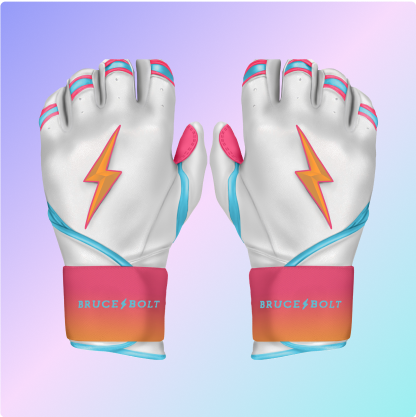
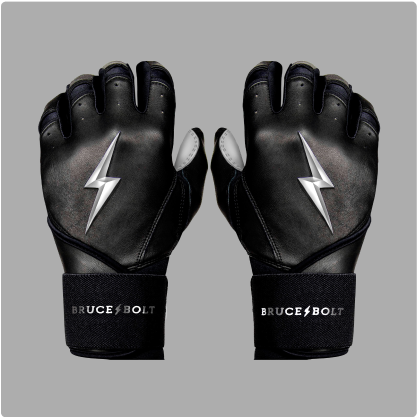
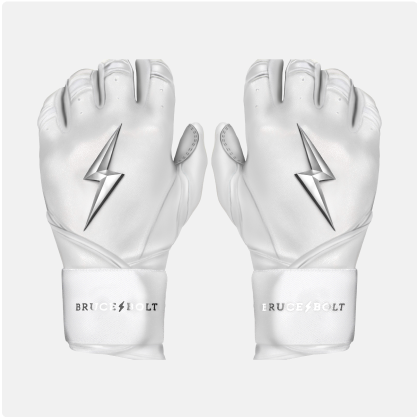
BRUCE BOLT golf gloves are built with premium Cabretta leather, a patent-pending articulated wrist design, and moisture-resistant finishing that keeps your grip locked in from the first hole to the last. Browse the full lineup of BRUCE BOLT golf gloves, shop golf accessories including hats and sun sleeves, or visit brucebolt.us to find the right fit for your game.