


At a Glance: Buying softball equipment for a young player can feel overwhelming with so many options on the market. The right gear protects your player, meets league requirements, and helps build confidence on the field. This guide walks you through the safety essentials, how to choose the right bat and batting gloves, and what to look for in a fielding glove and softball cleats.
What are the Non-Negotiable Safety Essentials?
Safety gear is the most important investment you'll make for your young athlete. Before purchasing, check your youth league rules for required certifications. Most leagues follow USA Softball or USSSA standards for approved equipment. Regardless of your player's position, whether they're a catcher, pitcher, or other position, safety gear is a must.
Proper Sizing Matters
Gear that doesn't fit correctly creates safety risks and limits performance in the game. A helmet that slides around or a chest protector that gaps leaves your player exposed. Take measurements before shopping and try the gear on whenever possible.
Inspect Regularly
Check all safety equipment before each season for cracks, dents, or worn padding. Even small damage can reduce protection against a harder ball traveling at fastpitch speeds.

Helmets: Features to Look For
A batting helmet is required for all hitters and baserunners. Look for these features before putting them in your cart:
-
A face mask (cage style) or C-flap provides jaw and ear protection
-
The NOCSAE certification stamp is required by most leagues
-
Interior padding should fit snugly without pressure points
-
Adjustable chin strap keeps the helmet secure during running and sliding
-
Ponytail channel accommodates players with long hair
Catcher's Gear: Protection for the Field General
A fastpitch catcher needs three main pieces of protective gear:
-
Helmet/Mask: Full coverage with throat guard attachment
-
Chest Protector: Should cover from collarbone to waist without restricting arm movement
-
Shin Guards: Protect from the knee to the ankle with secure straps
Fit matters more than brand. Gear should cover all required areas while allowing a full range of motion. Look for sets with adjustable straps that accommodate growth over a season or two.
Choosing the Right Bat and Batting Gloves
Finding the right fastpitch softball bat involves balancing performance with your budget. The bat, gloves, and proper fit work together to build better hitting mechanics and confidence at the plate.
Types of Bats
Youth fastpitch bats come in three main materials:
-
Alloy (aluminum): Affordable, ready to use out of the wrapper, good for beginners
-
Composite: Larger sweet spot, requires a break-in period, typically higher price
-
Hybrid: Composite handle with alloy barrel, balance of feel and durability
Sizing Up a Youth Fastpitch Bat
Understanding Drop Weight
Drop weight refers to the difference between a bat's length in inches and its weight in ounces. A 30-inch bat weighing 20 ounces has a drop of -10. A higher number (like -11 or -12) means a lighter bat, which works better for most younger players still developing swing speed.
Length and Weight Tests
Two simple tests help determine the right bat size:
-
Standing test: Stand the bat next to your player's leg. The barrel end should reach their hip.
-
One-hand test: Have your player hold the bat straight out with one hand for 10-15 seconds. If they struggle to keep it steady, the bat is too heavy.
Check that the bat has the official USA Softball or USSSA stamp required by your league. Barrel diameter requirements vary by age group, so verify the certified products list before purchasing.
Why Quality Batting Gloves Make a Difference
Grip and Control
A secure, non-slip grip translates to better bat speed and more controlled swings. Quality batting gloves prevent the "grip and rip" tendency that leads to inconsistent contact.
Vibration Reduction
Mishits happen, especially for developing players. Good gloves absorb sting and vibration that can make batting practice painful.
BRUCE BOLT Batting Gloves
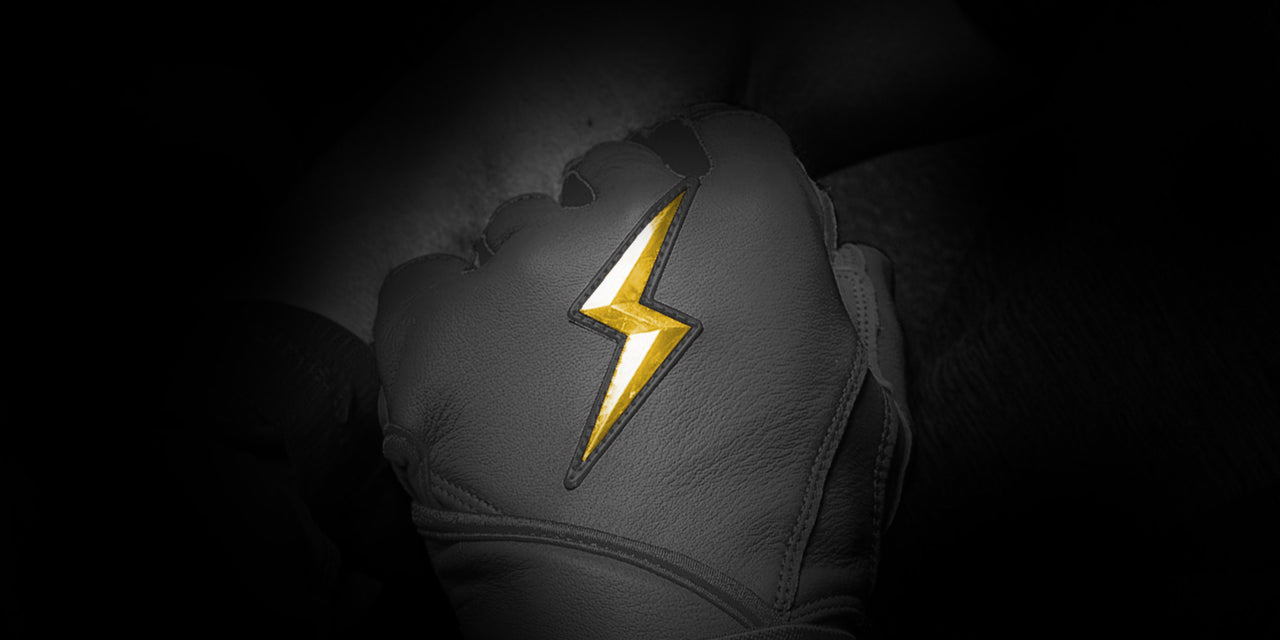
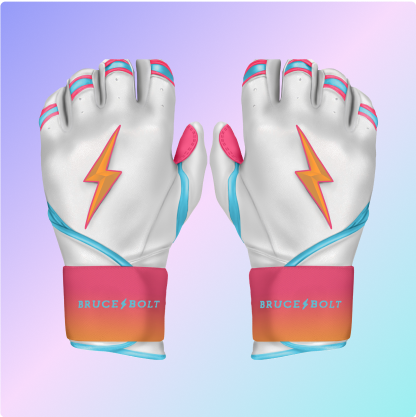
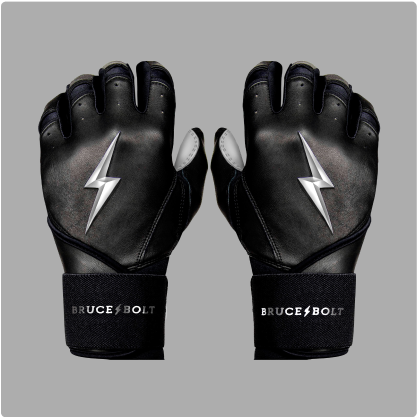
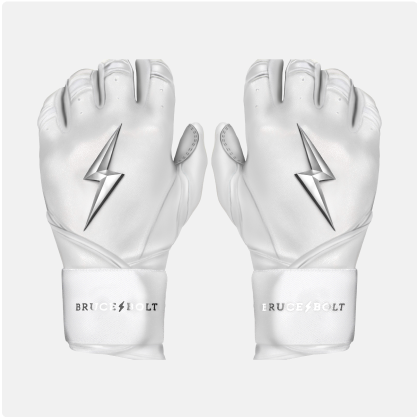
Premium materials make a noticeable difference in feel and longevity. BRUCE BOLT batting gloves feature Cabretta leather construction that molds to your player's hand over time. Pre-curved fingers provide immediate comfort, and the superior fit outlasts synthetic alternatives by multiple seasons.

How Do I Choose the Best Fielding Glove and Cleats for My Player?
The right glove becomes an extension of your player's hand. Cleats provide the traction needed for speed and safety on the field.
Finding the Perfect Fit in a Fielding Glove
Size by Age and Position
Glove size is measured in inches from heel to tip. Use these general guidelines:
-
Ages 8 and under: 9 to 10.5 inches
-
Ages 9-12: 10.5 to 11.5 inches
-
Ages 13 and up: 11.5 to 12.5 inches (varies by position)
Infielders typically use smaller gloves for quick transfers. Outfielders benefit from larger gloves to track down fly balls.
Material Options
-
Synthetic: Less break-in time, lighter weight, lower price point, good for beginners
-
Real leather: More durable, better feel, requires a break-in period, lasts longer with care
Breaking in a new leather glove takes time. Use glove oil sparingly, play catch often, and store the glove with a ball in the pocket to form the shape.
Cleats and Other Field Apparel
Molded vs Metal
Most youth leagues require molded rubber cleats for safety reasons. Metal cleats are typically restricted to high school level and above. Check your league rules before purchasing.
Fit and Comfort
Leave about a thumb's width of space for growth, but not so much that the foot slides inside the shoe. Good ankle support prevents injuries during quick direction changes.
Additional Apparel
Round out your player's gear with quality softball pants, moisture-wicking socks, and an equipment bag large enough to hold everything. Durable outerwear keeps players warm during early-season practices and tournaments.
Complete Your Softball Setup with BRUCE BOLT
The right fastpitch softball gear keeps your player safe, comfortable, and confident on the field. Start with properly fitted safety equipment, find a bat that matches your player's size and skill level, and invest in quality accessories that last. BRUCE BOLT offers premium gear for youth softball players:
-
Batting Gloves: Cabretta leather construction with pre-curved fingers for superior grip and comfort
-
Protective Gear: Elbow guards, sliding mitts, hand guards, and leg guards for complete plate protection
-
Softball Pants: Durable construction built to handle slides and dives
Browse BRUCE BOLT softball gear to get ready for the season. Order from our website today for fast shipping right to your door! For specific questions on gear, shipping, or anything else, check out our Customer Service page or email us directly.
FAQs
What is the most important piece of softball equipment for a beginner?
The most important gear is a properly sized batting helmet with a face mask, as it is required for all batting, baserunning, and some defensive positions. A functional fielding glove is the second priority.
How do I clean and care for my leather batting gloves?
Allow high-quality leather gloves to air dry away from direct heat or sun. If dirty, gently wipe them with a damp cloth. Never put leather gloves in a washing machine or dryer, as this will dry out and damage the leather.
How often should I replace my player's softball helmet?
Replace helmets when the interior padding or shell shows cracks, dents, or significant wear. Even without visible damage, manufacturers typically recommend replacement every 3-5 years due to material degradation.