


The Short Answer: The best softball outfield drills recreate game-like reads that train reaction time, ball tracking, throwing accuracy, and communication all at once. A good drill plan starts with basic footwork and reads, then builds up to live runners, target throws, and game-speed pressure.
Outfield Drills That Translate to Game Day
Stationary catches have their place, but they do not fully prepare players for the speed and unpredictability of a softball game. Strong outfield drills should include fly balls, line drives, bloopers, ground balls, and full-speed throws so practice reps carry over to game day.

Game-Like Reads Beat Routine Reps
Outfielders rarely catch balls hit directly at them. Most plays require a quick first step, the right route, an adjustment to the ball, and a strong throw in one fluid motion. A good drill builds those skills into every rep at full speed, so the athlete can perform under pressure.
Why Drill Design Matters
Practice design matters as much as the drills themselves. Clear goals, fast rotations, short instruction, and a variety of game-like intensity drills turn an ordinary session into one that transfers to games. The USA Softball ACE Coach Education Program offers structured resources for coaches who want to build practice plans around softball fundamentals that hold up at game speed.
Drills That Build Range and First-Step Reads
Range starts with reaction time and first-step movement, two of the most important outfield skills a player can develop. An outfielder who reads the ball off the bat and breaks correctly covers ground that nobody else on the field can reach. The drills below sharpen those instincts.
The 2 Ball Drill
The 2 Ball Drill builds lateral movement, reaction time, and recovery speed in one rep. A coach tosses a ball to one side. The outfielder catches it, throws it back, then immediately sprints the other way to catch a second ball. The drill builds both conditioning and range in the same set of reps.
Cone Routes from Multiple Angles
Setting cones in a square across the outfield creates starting points that force players to attack the ball from different angles. A coach or pitching machine sends a ball into the middle of the square, and the player must read it from wherever they are standing. The drill can be adjusted for fly balls, line drives, bloopers, and balls that require players to charge, go back, or move side to side.
Core Range-Building Drills
A complete outfield range workout often includes:
-
2 Ball Drill: Builds lateral movement, conditioning, and the ability to recover quickly between plays.
-
Drop step drill: Teaches the first-step technique for fly balls hit overhead.
-
Cone routes: Forces reps from multiple starting angles to mirror real ball-off-the-bat reads.
-
Charge and field: Sharpens reads on bloopers and shallow line drives that require an aggressive route.
-
Reaction pop-up drill: Trains quick reads on balls hit directly overhead with little time to react.
For coaches building out a year-long practice plan, the USA Softball coaching resources hub offers additional drill libraries and skill-development tools across every level of the game.

Drills That Sharpen Tracking and Reads
Tracking drills should train the eyes as much as the feet. An outfielder who gets to the right spot but loses the ball at the last second still drops the catch. Strong tracking work isolates the visual side of fielding.
Barehand Tracking
Barehand tracking uses soft training balls with the glove removed so the player focuses on seeing the ball all the way into the catching hand. Removing the glove takes away the safety net and forces real concentration on the ball flight, which is the skill that separates good outfielders from great ones.
Read Off the Bat
Live fungoes from a coach help outfielders practice more realistic reads off the bat at game speed. Players learn to pick up the ball at contact and read its trajectory through the first few feet of flight, which sets up everything that comes after.
Eyes Up Through the Catch
One of the biggest tracking mistakes is taking the eyes off the ball just before the catch. Drills that emphasize keeping the eyes locked on the ball through the entire catching motion build the habit of staying focused through the play.
Drills That Build Throwing Accuracy and Communication
Throwing accuracy should be built into fielding drills, not treated separately. Every rep an outfielder takes should end with a target throw to a cutoff, base, or relay player. This is how good outfielders learn to combine the catch with the throw in one fluid motion.
End Every Drill With a Throw
The catch is only half the play. Practicing throws from different spots on the field teaches outfielders to react quickly and stay accurate under pressure. Reps in practice are what give an outfielder the confidence to throw home with the game on the line.
Gap Communication
Communication is a core part of outfield play, and it has to be built into drill work from the start. When a ball is hit into the gap, the center fielder and corner outfielder both have a chance to make the play. A clear call early in the route prevents collisions and reduces hesitation, which is the difference between an out and a stand-up double.
Cutoff and Relay Coordination
Outfielders are part of a larger throwing system. Practicing throws to cutoff and relay players teaches outfielders where to aim, how to lead the target, and how to trust the system. At advanced levels, collegiate softball coaches drill these sequences relentlessly because the difference between a single and a double often comes down to the relay throw. Coaching organizations like the National Fastpitch Coaches Association build their drill libraries around sequences that combine catch, communication, and throw for exactly this reason.
How to Run Outfield Practice Efficiently
The best outfield drills only matter if practice runs efficiently. The way a coach runs a practice decides whether players walk away sharper or just tired.
Progress From Basics to Game-Speed Pressure
Outfield drills work best when they build fundamentals first, then connect those skills to real game decisions. Start with focused reps like first-step reads, cone routes, and barehand tracking. From there, add throws, communication, scoring, timing, and live baserunners to create pressure that mirrors a real inning.
Drill Progression at a Glance
|
Stage |
What You Practice |
How to Add Pressure |
|
Foundation |
First-step reads, drop steps, barehand tracking |
Focus on technique with no time pressure |
|
Movement |
Cone routes, 2 Ball Drill, charge-and-field reps |
Add a stopwatch or rep counter |
|
Throws |
Catch and throw to a base or cutoff |
Score accuracy and require a hit target |
|
Communication |
Gap drills with two or three outfielders |
Add live calls and require verbal commits |
|
Game pressure |
Full drill with live runners and situations |
Run scenarios with a scoreboard or score |
Keep Instruction Short and Reps High
Long explanations kill momentum. The best coaches give a quick demo, a few coaching points, and let players get to work. Fast rotations and high rep counts beat long explanations every time, especially with younger players whose attention drops fast.
Frequently Asked Questions
What is the best outfield drill for beginners?
The 2 Ball Drill is a strong starting point because it builds reaction time, lateral movement, and conditioning in one rep. For very young players, the Reaction Pop-Up Drill is a simpler option that uses minimal equipment and focuses purely on first-step reads.
How often should outfielders practice these drills?
Outfield-specific work should happen at every team practice, even if only for 15 to 20 minutes. Consistent reps build the instincts that show up in games. For players in competitive softball leagues, rotating drills weekly keeps the work fresh and addresses different skills like range, tracking, and throwing accuracy.
Can these drills be done indoors?
Yes. Indoor outfield drills work well in gyms or batting cages using tennis balls, soft training balls, or short fungoes. The space matters less than the focus on first-step reads, tracking, and target throws. Many of the drills above can be modified for limited space with smaller distances and lighter balls.
Gear Up With BRUCE BOLT
Outfield work is built on quality reps, sharp instincts, and the gear that lets a player perform without distractions. Every drill in this guide pays off most when the player is locked in and trusts their equipment.
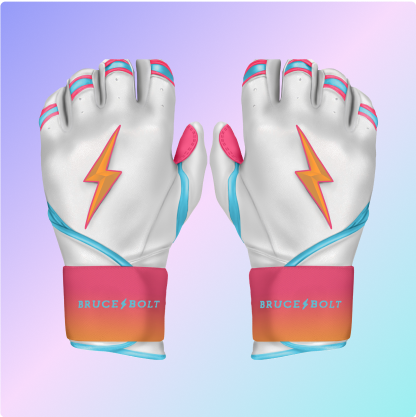
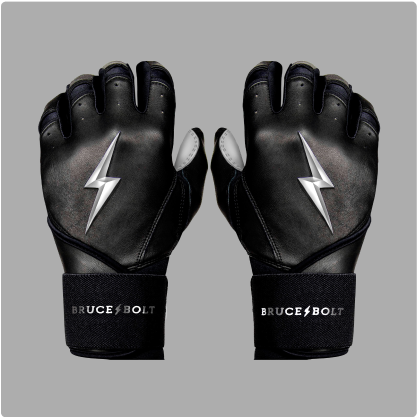
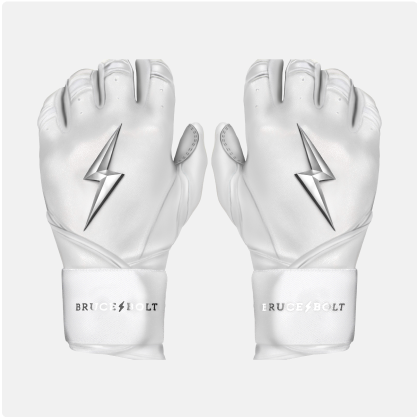
BRUCE BOLT batting gloves are hand-sewn from 0.9mm premium Cabretta leather with reinforced seams and conical finger stalls that match the natural shape of the hand. The patent-pending articulated wrist design moves with every swing and throw instead of against it. Browse the full BRUCE BOLT softball collection to find the gear that fits your game.