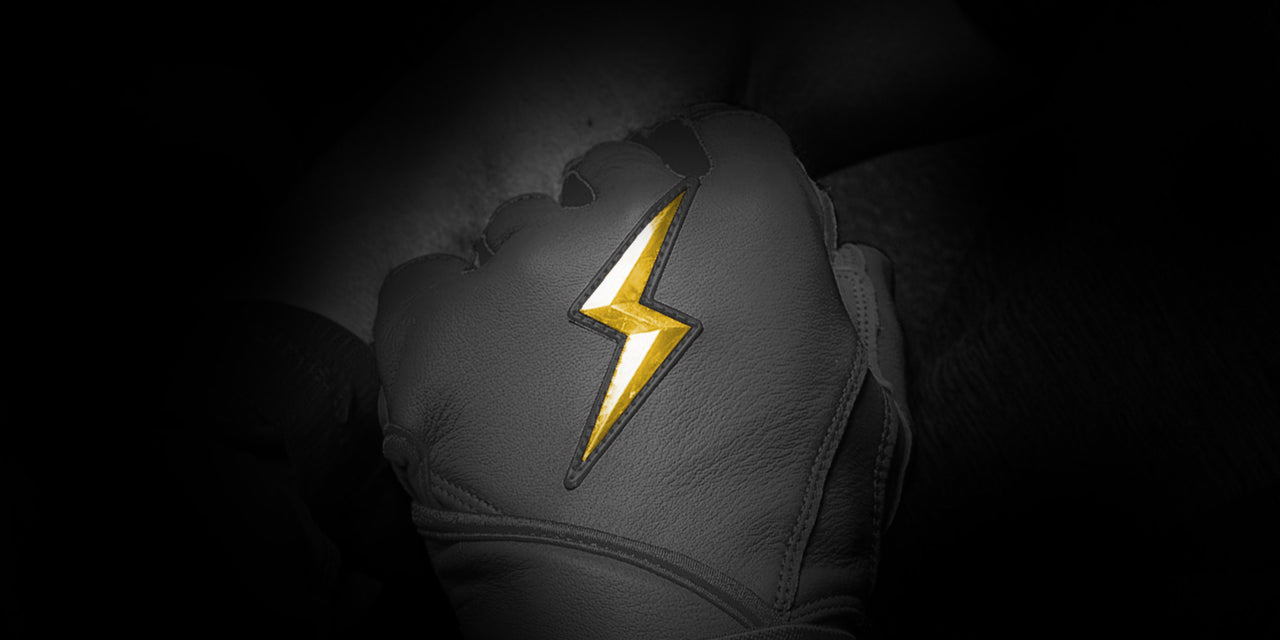
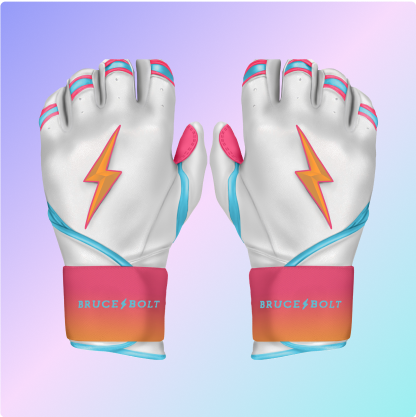

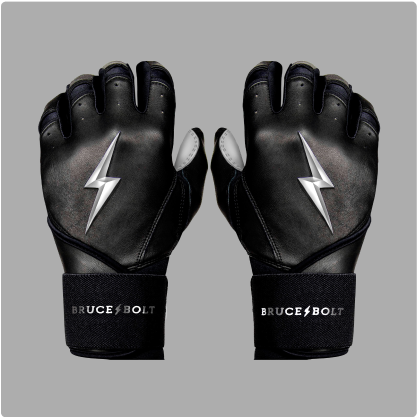
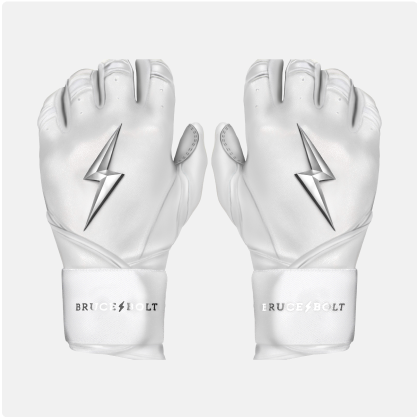


The Short Answer: The best grip for a baseball bat relies on a layered system to enhance control, comfort, and confidence at the plate. Bat grip tape forms the foundation, pine tar adds tack, and premium Cabretta leather batting gloves create a secure, responsive connection between your hands and the bat. Round it out with leather balm to keep your gloves conditioned and game-ready all season long.
Why Your Grip System Matters More Than Any Single Product
Many players treat grip as a single step, applying bat tape or pine tar and moving on. In reality, grip is a system, and each layer affects how you control the bat, generate speed, and stay locked in through a full game.
The Cost of an Incomplete Grip
When any one layer breaks down, you start compensating. Grip pressure increases, tension builds in your hands and forearms, and your swing gets tight. A loose glove or worn bat tape puts your focus on holding the bat rather than hitting the ball.
Building the right grip system removes those variables. At every skill level, from youth to professional, the players who grip the bat with confidence are the ones who swing freely. Here's how to build that system from the ground up.

Layer One: Bat Grip Tape
Bat grip tape is the foundation of the entire system. Everything else sits on top of it, so getting this layer right matters more than most players realize.
What Bat Grip Tape Does
Bat grip tape wraps the bat handle and creates a consistent surface for your hands to work against. It absorbs vibration on mishits, which reduces sting in the bottom and top of the hand. It also adds a layer of cushion and control that bare wood or a worn handle simply cannot provide.
The right bat grip tape makes a noticeable difference in bat control. A loose or worn grip forces you to squeeze tighter, which can reduce bat speed and create tension through your swing. A fresh, properly wrapped grip allows lighter pressure, freeing your wrists and enabling a faster, more consistent swing.
Choosing the Right Thickness
Thickness is the most important variable in bat grip tape, and it comes down to what kind of bat you are using.
-
0.6mm grip tape is designed for wood bats. It is the thinnest option on the market and offers an unmatched pro-level feel preferred by serious baseball players who want direct feedback from the bat. This is the right grip for players who prioritize feel and bat control over cushion.
-
1.1mm grip tape is designed for aluminum bats and composite bats. The added thickness provides more vibration protection on contact and is the better choice for players using composite or aluminum bats across all skill levels.
Personal preference matters too. Contact hitters often prefer a thinner grip for more feel, while players with smaller hands may find a slightly thicker grip more comfortable. Start with the thickness that matches your bat type and go from there.
One thing worth noting: not all bat grip tape is built the same. BRUCE BOLT's Premium Pro Bat Grip uses a proprietary Dri-Tack polymer with channel technology that delivers superior tack in dry or wet weather conditions without flaking or pulling apart over time. Most grip tapes break down when they get saturated with sweat or moisture. The Dri-Tack polymer is hydrophobic, meaning it repels moisture and maintains its tackiness through heavy use. It is also five inches longer than most bat grips on the market, so it is long enough to wrap any bat.
How to Wrap a Bat Properly
Start at the knob and wrap tightly, overlapping slightly as you work toward the barrel. Keep tension consistent throughout the wrap. Uneven wrapping creates dead spots and bunching that affect your feel on the bat, so take your time and make sure the grip covers the full handle area, both hands make contact through the swing.

Layer Two: Pine Tar
Pine tar is the second layer of the grip system and the one with the most history in baseball. It has been used for over a century for one simple reason: it works.
What Pine Tar Does
Pine tar is a naturally sticky substance applied directly to the bat handle on top of the grip tape. It creates a tacky surface that locks your hands to the bat on contact, which is especially valuable in hot or humid weather conditions where sweat would otherwise compromise your grip.
For wood bat players, pine tar is particularly important. Wood bats lack the surface texture of metal bats, so pine tar fills the gap and gives you the grip confidence to swing freely.
Pine Tar Rules
Pine tar is legal in baseball under Rule 3.02(c), which allows the bat handle to be covered or treated with any material up to 18 inches from the knob. Stay below that line and you are within the rules at every level. Keep in mind that Little League prohibits pine tar entirely, and other youth leagues vary, so check your specific rulebook before applying.
How to Apply Pine Tar
Apply pine tar to the bat handle between the knob and the barrel, staying within the 18-inch rule. It works with or without batting gloves. One solid application should last an entire tournament and hold up even when dirt gets on it. A push-up applicator with a screw-on top keeps things clean and prevents the pine tar from drying out between uses.
Layer Three: Batting Gloves
Batting gloves are where the grip system connects to your hands. Bat grip tape and pine tar create a tackier, more controlled surface, and the gloves translate that into consistent feel, comfort, and bat control with every swing.
What to Look for in a Batting Glove for Grip
Not all batting gloves perform the same. The palm material is the most important factor, and Cabretta leather is the standard for premium batting gloves. It is thin, naturally tacky, and molds to your hand over time. A quality Cabretta leather palm develops a better grip the more you play in it, which means the glove develops a better connection to the bat as the season goes on.
Beyond material, fit is equally important. Excess material at the fingertips or gaps near the palm can make you grip harder, adding tension to your hands and arms while reducing swing speed.
How Gloves Interact With Pine Tar and Bat Grip Tape
This is where the system comes together. When you apply pine tar to the bat handle and touch your batting gloves to it before each at-bat, the tack transfers to the palm of the glove. That connection between the pine tar on the bat handle and the Cabretta leather on your palm is what gives you a locked-in feel that no single product can replicate on its own.
For a right-handed batter, the left hand serves as the bottom hand and the right on top. Fresh bat grip tape, pine tar, and a properly fitted batting glove work together to create a grip that holds without tension, allowing a loose, fast swing through contact.
Layer Four: Leather Balm
Leather balm is the most overlooked part of the grip system, and most players skip it entirely. That is a mistake.
What Leather Balm Does
Leather balm is a conditioning treatment applied to Cabretta leather batting gloves to keep the palm soft, supple, and game-ready. Over time, leather dries out, stiffens, and loses its natural tack. A dried-out palm does not grip the bat the same way a conditioned one does. BRUCE BOLT's Premium Leather Balm is formulated with natural carnauba wax to nourish the leather while preserving its natural feel. It absorbs quickly and leaves a smooth, non-greasy finish that enhances grip without compromising comfort.
Think of it as maintenance for your grip. You condition a baseball glove to keep the leather game-ready. The same logic applies to batting gloves.
How to Apply Leather Balm
Here is how to give your gloves the pro treatment:
-
Apply a small amount by hand and allow it to permeate the leather.
-
Rub with a fabric or paper towel to lift out dirt and excess balm.
-
Let it absorb for a few minutes to work its magic.
-
Your gloves are ready for action.
How Leather Balm Fits Into Your Between-Game Routine
After each use, air your gloves out and let them dry completely. Apply leather balm every few games or after heavy practice, and store it away from heat and moisture. That routine keeps the Cabretta leather performing at its best deep into a long season or tournament.
Build Your Grip System With BRUCE BOLT
Every layer of the grip system matters, and having the right product for each layer is what ties it all together. BRUCE BOLT offers bat grip tape in 0.6mm and 1.1mm thickness, premium pine tar with a no-mess push-up applicator, hand-sewn Cabretta leather batting gloves in adult and youth sizes, and leather balm to keep everything performing season after season.
It is the complete grip system, built by people who take baseball seriously. Browse the full bat accessories and batting gloves collection at BRUCE BOLT and build your grip from the ground up.
Frequently Asked Questions
What is the proper grip for a baseball bat?
A proper grip starts with your fingers wrapped around the handle rather than deep in your palm. Align your knocking knuckles and hold the bat with light, controlled pressure. Your top hand guides the swing while your bottom hand provides the power. A good grip system with fresh bat grip tape, pine tar, and well-fitted batting gloves removes the variables that force you to over-grip.
Do baseball bat grips really make a difference?
Yes. Baseball bat grips affect feel, bat control, and how much vibration transfers to your hands on contact. A worn or loose grip forces you to squeeze harder, which adds tension and slows your swing. A fresh, properly wrapped grip lets you hold the bat with lighter pressure and swing more freely.
How does bat grip tape help with shock absorption?
Bat grip tape, particularly the 1.1mm thickness designed for composite and aluminum bats, provides a cushioned layer between your hands and the bat handle. That cushion absorbs a portion of the vibration on mishits, reducing sting and allowing you to stay relaxed through contact.
Can softball players use the same grip setup?
Yes. The layered grip system works for softball players the same way it does for baseball players. Bat grip tape, pine tar, and Cabretta leather batting gloves improve control and feel regardless of whether you are swinging a baseball or softball bat. Many fastpitch softball players also prefer the long cuff batting glove option for added wrist support at the plate.