


At a Glance: The best golf putting drills for beginners focus on three things: starting the ball on your intended line, controlling distance so you avoid three-putts, and building a stroke you can repeat under pressure. Drills like the gate drill, ladder drill, and lag drill each train one of these skills and can be done in a short, focused session on any practice green.
Most beginner golfers spend their practice time hitting full shots and barely touch a putter until they are on the first green. The problem is that putting accounts for roughly 40 percent of all strokes in a typical round. Getting your stroke right is one of the fastest ways to lower your golf scores without changing anything about your full swing.
Putting Fundamentals Every Beginner Needs to Know

Setup and Alignment
Good putting starts with a repeatable setup. Stand with your feet roughly shoulder-width apart, bend from the hips so your eyes are directly over the ball, and let your arms hang naturally below your shoulders. The putter face should be square to your target line at address. A setup that changes from putt to putt produces inconsistent results before the stroke even begins.
As PGA.com explains in their breakdown of the best putting drills, putting is where you can make or break your score, and building consistency starts with the same fundamentals on every putt: a repeatable setup, a face that starts square, and a stroke that sends the ball on your intended line.
The Three Keys Before Any Drill
Before jumping into specific drills, it helps to understand what the putting stroke is actually trying to do. Every successful putt requires three things working together:
-
Starting the ball on your intended line — The putter face controls roughly 80 percent of where the ball starts. A face that is open or closed at impact sends the ball offline before the break even has a chance to work.
-
Controlling distance — Most three-putts happen because the first putt finishes too far from the hole, not because the line was wrong. Distance control is a skill that has to be trained deliberately.
-
Reading the green — Speed, slope, and grain all affect how a putt breaks. Learning to read these variables comes from repetition on different surfaces and at different distances.
Golf Putting Drills for Beginners
The Gate Drill
-
Place two tees just wider than your putter head, a few inches in front of the ball and a few inches in front of the hole
-
Take your normal putting stance and grip over the ball
-
Stroke the putt through both gates without clipping either tee
-
If you clip a tee consistently on the same side, that is where your stroke path or face angle is breaking down
The Purpose: Train a square putter face at impact and a consistent stroke path using immediate physical feedback. This is one of the most widely used drills among both beginner golfers and professional golfers because it makes face angle errors impossible to ignore.
The Lag Drill
-
Step off approximately 30 feet from a hole on the practice green
-
Place four tees to form a small square around the hole, roughly two feet on each side
-
Putt toward the square in three-ball increments, focusing on finishing inside the box
-
Work toward getting 18 balls in a row to finish inside the square without missing
The Purpose: Build distance control and reduce three-putts by training your feel for pace from longer distances. As GOLF.com explains in their breakdown of the lag drill, if you can consistently finish inside a two-foot box from 30 feet, the longest second putt you will ever face from that distance is about two feet.
The Ladder Drill
-
Place tees at 15, 20, 25, and 30 feet from a hole in a straight line
-
Place two coins a foot apart at each distance to create a target zone
-
Starting at 15 feet, putt and try to finish between the two coins
-
Move to 20 feet and repeat, working through each distance without missing the zone
The Purpose: Build speed control and distance feel at multiple lengths in the same session. Starting over if you miss a zone adds pressure that mirrors what you feel on the golf course, which is what makes the drill translate to real rounds.
The Three-Foot Circle Drill
-
Place four balls around a hole at three feet, one at each compass point
-
Work your way around the circle, trying to make all four in a row
-
Once you make all four, move back to four feet and repeat
-
Track how far you can get before missing and try to beat your record each session
The Purpose: Build confidence and consistency on short putts, which are the putts that most directly affect your score. Making consecutive putts under a simple scoring system adds just enough pressure to make the practice feel like a real round.
The One-Hand Drill
-
Set up to a short putt with your normal grip and stance
-
Remove your lead hand and putt using your trail hand only
-
Focus on feeling the putter head release through the ball
-
Once the trail hand feels consistent, return to your normal grip and repeat the same motion
The Purpose: Develop feel for the putter head and train the release through impact. Tiger Woods uses a version of this drill to train the sensation of a smooth, end-over-end roll, and it is one of the simplest ways to improve your feel without any equipment beyond the putter itself.
The Pressure Drill
-
Choose five random spots around a hole at varying distances
-
Attempt to make all five putts in a row
-
If you miss one, start over from the beginning
-
Track how many full rounds you complete in a session and try to improve each time
The Purpose: Simulate the pressure of a real round in practice. A putting exercise that includes a start-over consequence forces the kind of focus and routine that translates directly to better performance on the course.
How to Read Greens as a Beginner
Start With Speed
Green reading is a skill that takes time to develop, but beginners can improve faster by focusing on speed before worrying about break. A putt hit at the right speed will always finish close to the hole even if the line is slightly off. A putt hit at the wrong speed can miss badly even on a perfect line. Before every putt, walk to the low side of the hole and look at the slope. The general rule is that putts break toward the lowest point on the green.
Use the Practice Green Before Every Round
The practice green is one of the most valuable tools a beginner has. Hit lag putts from different distances before your round to get a feel for the speed of the greens that day. Green speed changes with weather, time of day, and how recently the greens were mowed. Spending five minutes calibrating your speed before you tee off can save several strokes over the course of the round.
How to Structure a Putting Practice Session
A focused 20 to 30 minute putting session with a clear plan will do more for your game than an hour of aimless putting. As GOLF.com Top 100 Teacher Brady Riggs explains in his breakdown of a 30-minute putting routine, practice without a purpose is almost a total waste of time. Dropping three balls and rolling them toward a hole 20 feet away with no routine or target does not produce useful feedback or muscle memory.

Build Your Session Around a Clear Order
Start with the lag drill to calibrate your speed and move into the gate drill to work on your start line. From there, finish with the three-foot circle or pressure drill to build confidence, and close with a handful of random putts using your full routine to tie everything together.
Level Up Your Game with BRUCE BOLT Golf Gloves
Every drill you work through on the practice green depends on one thing staying consistent: the connection between your hands and the putter. A glove that slips changes your grip pressure mid-stroke, which affects the face angle at impact and sends the ball offline.
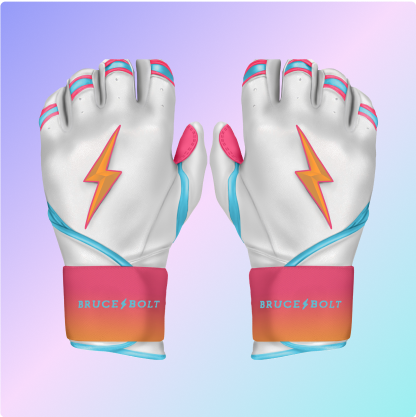
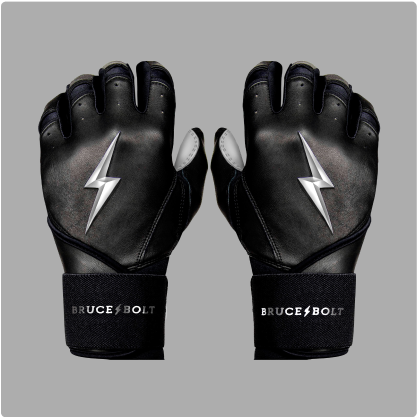
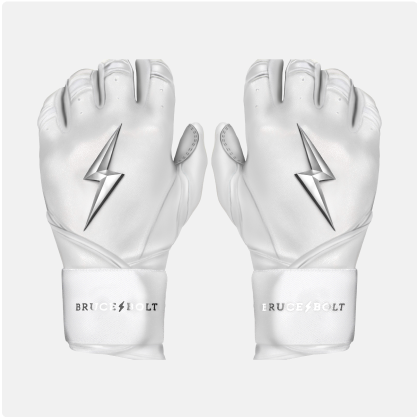
BRUCE BOLT golf gloves are built with premium Cabretta leather and reinforced grip zones that keep your hands exactly where you set them from address to follow-through. When the grip holds, the stroke stays consistent.
Browse the full collection of BRUCE BOLT golf gloves and find the right fit for your game.